Why Mohammad Amir Will Not Play In The IPL Despite British Passport

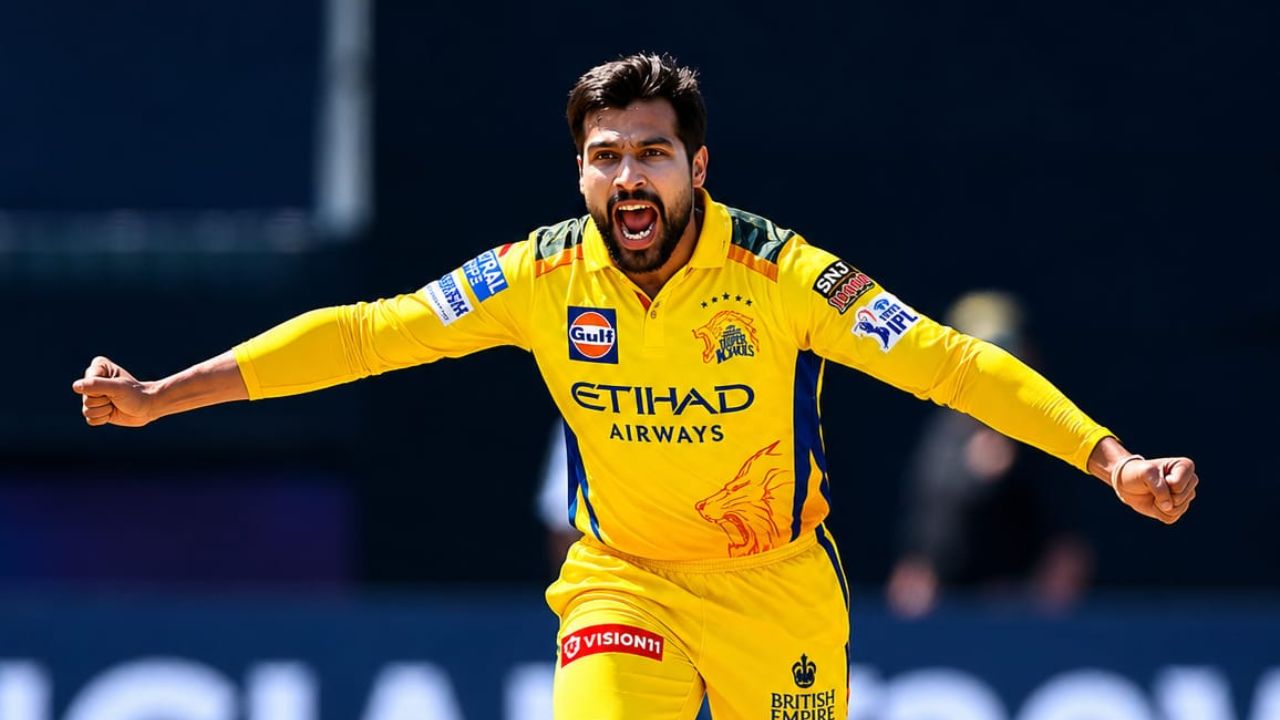
- The Mirage of Eligibility: Why Mohammad Amir’s IPL Dream Remains Out of Reach
- 1. BCCI’s Rigid Stance on Players with Active Pakistan Ties
- 2. The Commercial Risk and Fear of Public Backlash
- 3. Declining Form, Age, and the Overseas Player Dynamics
- Conclusion: A Compelling Narrative but an Impossible Reality
The Mirage of Eligibility: Why Mohammad Amir’s IPL Dream Remains Out of Reach
The news of veteran Pakistani fast bowler Mohammad Amir officially acquiring British citizenship sent shockwaves of excitement through the global cricketing community. For years, cricket enthusiasts have lamented the absence of Pakistan’s elite bowling talent in the Indian Premier League (IPL) due to ongoing geopolitical tensions. The moment Amir secured his British passport, speculation intensified. Fans and analysts immediately began projecting how the seasoned left-arm pacer would fare on the grand IPL stage, debating which franchises would benefit most from his vast experience and tactical acumen.
Historically, there is a precedent for this path. Former Pakistan all-rounder Azhar Mahmood successfully bypassed the IPL’s restrictions by registering as a British citizen, turning out for franchises like Kings XI Punjab and Kolkata Knight Riders. However, the modern cricketing landscape has evolved dramatically. Despite his theoretical eligibility, several insurmountable factors make it virtually impossible for Mohammad Amir to ever secure an IPL contract. From administrative hurdles to commercial risks and athletic regression, the doors to the IPL remain firmly shut for the veteran pacer.
1. BCCI’s Rigid Stance on Players with Active Pakistan Ties
While Mohammad Amir may hold a British passport on paper, his identity as an active Pakistani international cricketer is fresh in the minds of administrators. Amir recently came out of retirement to represent Pakistan in the 2024 ICC T20 World Cup and subsequently played for Rawalpindi in the 2026 Pakistan Super League (PSL). This recent, high-profile involvement with the Pakistan national team makes it highly improbable that the Board of Control for Cricket in India (BCCI) would sanction his participation in the IPL.
The ban on Pakistani players, implemented after the tragic 2008 Mumbai terror attacks, has been strictly enforced for over a decade and a half. While Azhar Mahmood was allowed to play, his situation was entirely different; he had transitioned away from the Pakistan national setup years prior and was established in the English domestic circuit. In contrast, Amir remains a symbol of contemporary Pakistan cricket. Allowing a player who recently wore the green jersey to participate in India’s flagship domestic tournament would be a highly sensitive diplomatic move—one that the BCCI is exceedingly unlikely to authorize under the current political climate.
2. The Commercial Risk and Fear of Public Backlash
Modern IPL franchises operate as multi-billion-dollar commercial entities. Their success relies heavily on brand reputation, corporate sponsorships, and fan loyalty. Introducing a high-profile Pakistani cricketer, especially one with a highly publicized and controversial past like Mohammad Amir, carries immense public relations risks that franchises are simply unwilling to take.
The diplomatic relations between India and Pakistan have grown increasingly complex over the last fifteen years. Public sentiment remains highly sensitive, and any association with Pakistani cricket can lead to severe backlash. This commercial vulnerability was recently highlighted when Sunrisers Hyderabad’s sister franchise, Sunrisers Leeds, faced intense public and media scrutiny after signing Pakistani spinner Abrar Ahmed for the 2026 season of The Hundred. In an era where brand value and corporate sponsorships dictate franchise decisions, no IPL team owner would risk alienating their primary fanbase and corporate partners for a single overseas player.
3. Declining Form, Age, and the Overseas Player Dynamics
Beyond the political and administrative roadblocks lies a fundamental sporting reality: Mohammad Amir is no longer the devastating force he once was. By the time the next IPL season commences, Amir will be 35 years old. In the highly competitive ecosystem of the IPL, overseas slots are incredibly scarce and highly coveted. Franchises meticulously analyze data and prioritize younger, high-impact overseas fast bowlers who are in the absolute prime of their careers.
Amir’s performances in global franchise leagues have painted a picture of a bowler past his peak. While he remains a serviceable asset, his recent stints in tournaments like the PSL, the Bangladesh Premier League (BPL), and the Caribbean Premier League (CPL) for Trinbago Knight Riders have been decent but far from extraordinary. Given the sheer intensity and elite standard of the IPL, franchises require consistent, match-winning performances. Investing an overseas slot in a 35-year-old pacer whose physical peak is behind him represents an unnecessary sporting risk, irrespective of his passport status.
Conclusion: A Compelling Narrative but an Impossible Reality
The concept of Mohammad Amir steaming in under the lights of an IPL stadium is undoubtedly a captivating narrative for cricket purists. However, the intersection of sports, politics, and commercial branding ensures that this scenario will remain confined to the realms of fantasy. With the BCCI maintaining a strict stance on players with active Pakistan ties, the imminent threat of commercial backlash, and Amir’s natural athletic decline, the British passport will not be enough to break the deadlock. For Mohammad Amir, the IPL will remain an unfulfilled chapter in an otherwise eventful career.