Vijay Hazare Trophy 2025-26: Shaping the Future of Indian ODI Cricket

The Significance of the Vijay Hazare Trophy 2025-26
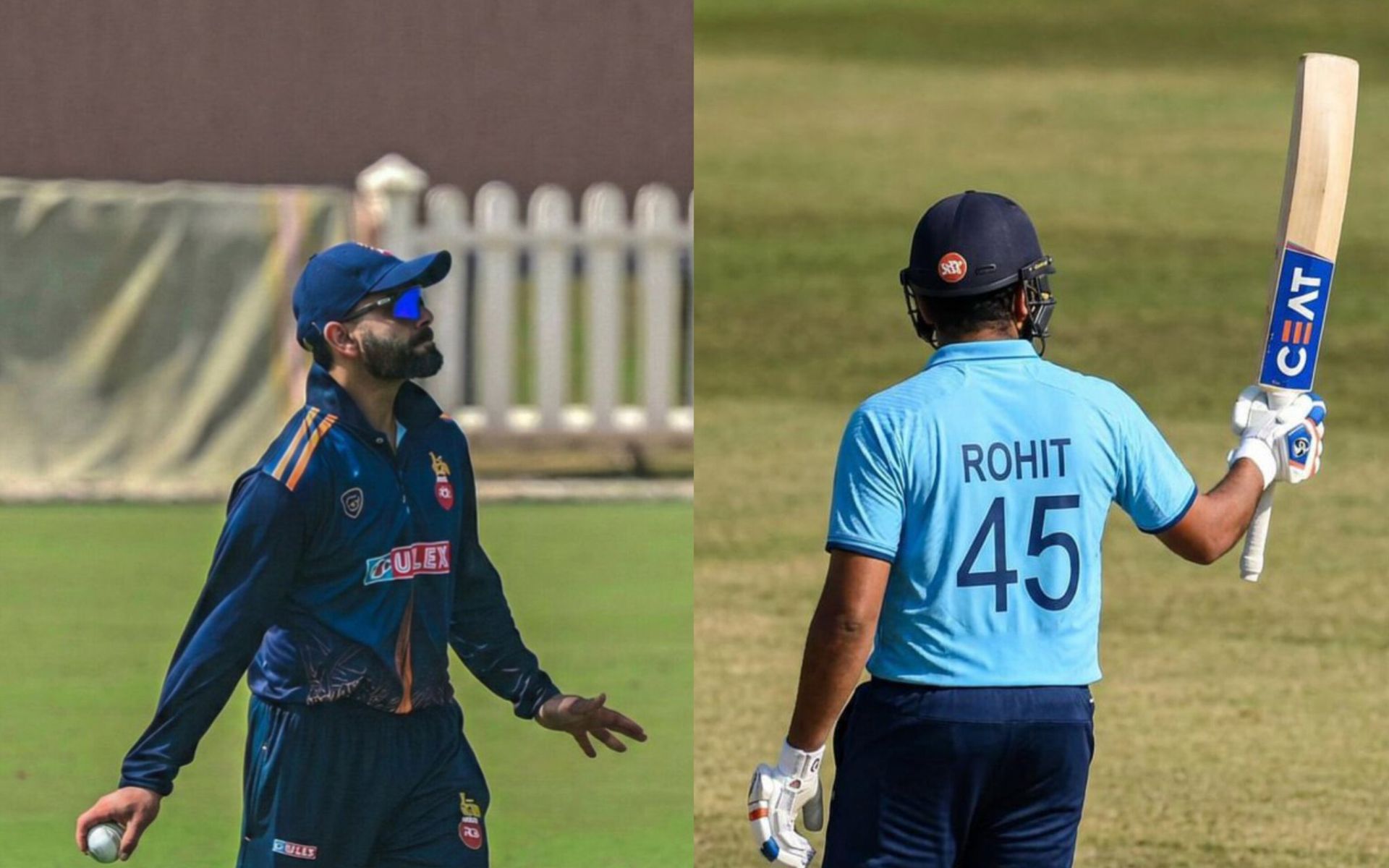
The 33rd edition of the Vijay Hazare Trophy, which commenced on December 24, has transformed into much more than a standard List-A competition. With stalwarts like Virat Kohli and Rohit Sharma participating, the tournament has captured the attention of the cricketing world. However, beyond the star power, this competition serves as a critical scouting ground for the Indian team, which is currently navigating a period of transition.
Selectors are closely monitoring performances to identify players who can seamlessly integrate into the national side. As the global landscape of domestic cricket faces quality challenges, India’s premier 50-over tournament provides a vital benchmark for identifying future international stars.
The Rohit Sharma-Virat Kohli Dynamics
The decision for both Rohit Sharma and Virat Kohli to participate in domestic cricket has sparked significant debate. While their presence adds immense value to the domestic circuit, some stakeholders have questioned the necessity of forcing legends to play these fixtures. Former chief selector MSK Prasad has weighed in, advocating for clear communication rather than a rigid ‘perform-or-perish’ mandate that could introduce unnecessary uncertainty into the senior team setup.
Despite the discourse, both players have demonstrated exceptional form, recording centuries in their opening matches. This performance highlights their clear intention to remain competitive for the 2027 World Cup. As Kohli noted in a recent post-match presentation, his approach is rooted in mental fortitude rather than excessive physical preparation, emphasizing that he remains committed as long as he feels mentally sharp.
Identifying the Future at Number Three
One of the most pressing questions for the BCCI is the stability of the number three position. Virat Kohli has occupied this spot for 15 years, but the management must plan for the future. Whether due to a potential dip in form or the inevitable march of time as Kohli reaches 39, finding a reliable successor is imperative.
Dhruv Jurel has emerged as a compelling candidate. With 147 runs in his first two games of the current tournament, maintaining an average of 73.50 and a strike rate of 124.57, Jurel is making a strong case for long-term inclusion. His ability to handle the middle overs with composure makes him a player to watch as the tournament progresses.
The Search for Pace Depth
The Indian bowling attack has often appeared vulnerable in the absence of spearhead Jasprit Bumrah. To succeed on the international stage, India requires a deeper pool of fast bowlers capable of maintaining intensity in 50-over conditions. The current Vijay Hazare Trophy has spotlighted several promising pacers who could bolster the national ranks.
- Raj Limbani (Baroda): With eight wickets in two matches, including a five-wicket haul, Limbani has established himself as a dominant force.
- Devendra Singh Bora (Uttarakhand): Bora has impressed with seven wickets in two games. His ability to dismiss high-profile batters—evidenced by his golden duck dismissal of Rohit Sharma—highlights his potential under pressure.
The team management is currently tasked with evaluating whether these bowlers possess the consistency required for international cricket. Building a robust pace battery is essential if India aims to maintain its competitive edge in quadrennial events.
Conclusion: Preparing for Uncertainties
While India currently boasts an abundant talent pool, the nature of cricket remains unpredictable. The Vijay Hazare Trophy 2025-26 provides the necessary answers to the questions facing the national side. By bridging the gap between established legends and the next generation, this tournament is not just a domestic event; it is the laboratory where the future of Indian ODI cricket is being built. As the season unfolds, the focus will remain on whether these promising performers can sustain their momentum when the pressure rises on the international stage.