Virat Kohli Opens Up on Darkest Career Phase During 2014 England Tour

The Vulnerable Side of a Modern Icon
Virat Kohli has long been defined by his aggressive batting, unparalleled hunger for runs, and an aura of supreme confidence that has intimidated bowlers across the globe. Yet, even for a player of his stature, the path to greatness has not been without its shadows. In a revealing look at the mental hurdles inherent in professional sports, Kohli has opened up about the 2014 tour of England—a period he explicitly identifies as the darkest phase of his cricketing career.
The Weight of Persistent Failure
Virat Kohli. (Credits: X.com)
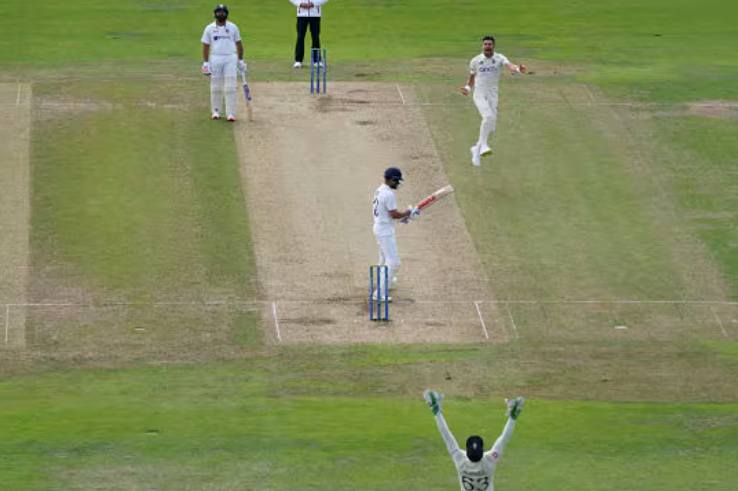
For any elite athlete, the pressure of expectation can be crushing. During the 2014 Test series, that pressure reached a boiling point for Kohli. Across 10 grueling innings, he managed to score only 134 runs. He found himself consistently entangled by the moving ball, with England’s premier swing bowler, James Anderson, repeatedly exploiting his weaknesses outside the off-stump. The technical struggle, however, was only half the battle; the mental strain was arguably far more taxing.
Kohli’s own words paint a stark picture of his mindset at the time: “2014 England tour was my worst phase in cricket where I knew I’m gonna fail waking up every morning but you still have to push yourself to play.”
The Moment of Desperation
The intensity of this experience manifested physically. Kohli described the harrowing sensation of walking out to bat, even when the format shifted to the ODIs. He admitted, “Even in the first ODI, my legs were shivering going out to bat.” In a moment of sheer desperation and internal revolt against his own fear, he made a pact with himself to attempt to smash every ball for a six. While the attempt resulted in a duck, caught straight at mid-off, Kohli notes that it brought him a strange sense of relief. It was the moment he stopped playing with fear, marking the first step toward reclaiming his aggressive identity.
Why This Tour Was a Turning Point
While fans often focus solely on the final scoreboards and the milestones, stories like these serve as a necessary reminder of the human element in sports. The 2014 series could have broken a lesser player, but for Kohli, it served as a crucible. He refused to hide from the challenge, choosing instead to confront his technical and mental deficiencies head-on. The resilience he displayed during those weeks of failure laid the foundation for the mental fortitude that would define his future.
Transformation and Resilience
The impact of that difficult tour cannot be overstated. By the time India returned to England in 2018, the cricket world saw a completely transformed batter. Kohli didn’t just survive the conditions that had once dismantled him; he mastered them, finishing the series as the standout performer. His journey from the depths of self-doubt to the pinnacle of world cricket serves as a powerful testament to the importance of perseverance. It proves that even for the greatest, failure is not the end, but often the beginning of a much stronger iteration of oneself.
Key Takeaways from the Journey
- Mental Resilience: The 2014 tour highlighted that even world-class talent is susceptible to severe mental dips.
- The Courage to Fail: Kohli’s decision to abandon fear, even at the cost of his wicket, was a pivotal psychological shift.
- Long-term Growth: The setbacks of 2014 were the catalysts for his technical and mental adjustments in later years.
Virat Kohli’s openness about his struggles provides fans and aspiring athletes with a rare glimpse into the internal life of a champion. It serves as a reminder that success is rarely a straight line, and the ability to endure, adapt, and eventually overcome is what truly separates the greats from the rest.