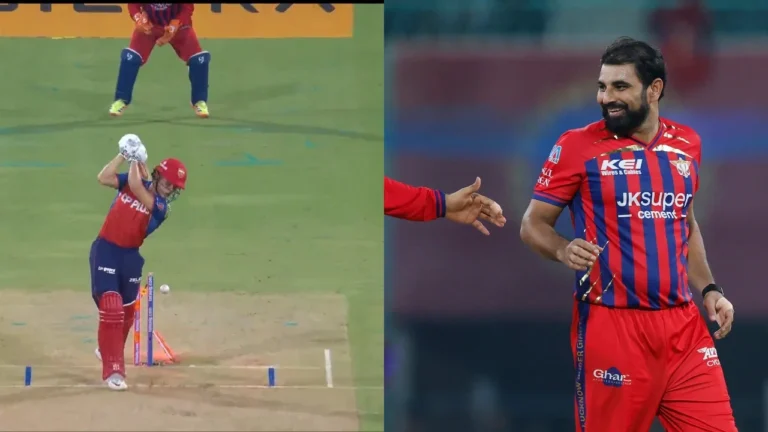
Shubman Gill Under Fire: The Truth Behind Auqib Nabi’s Afghanistan Test Snub

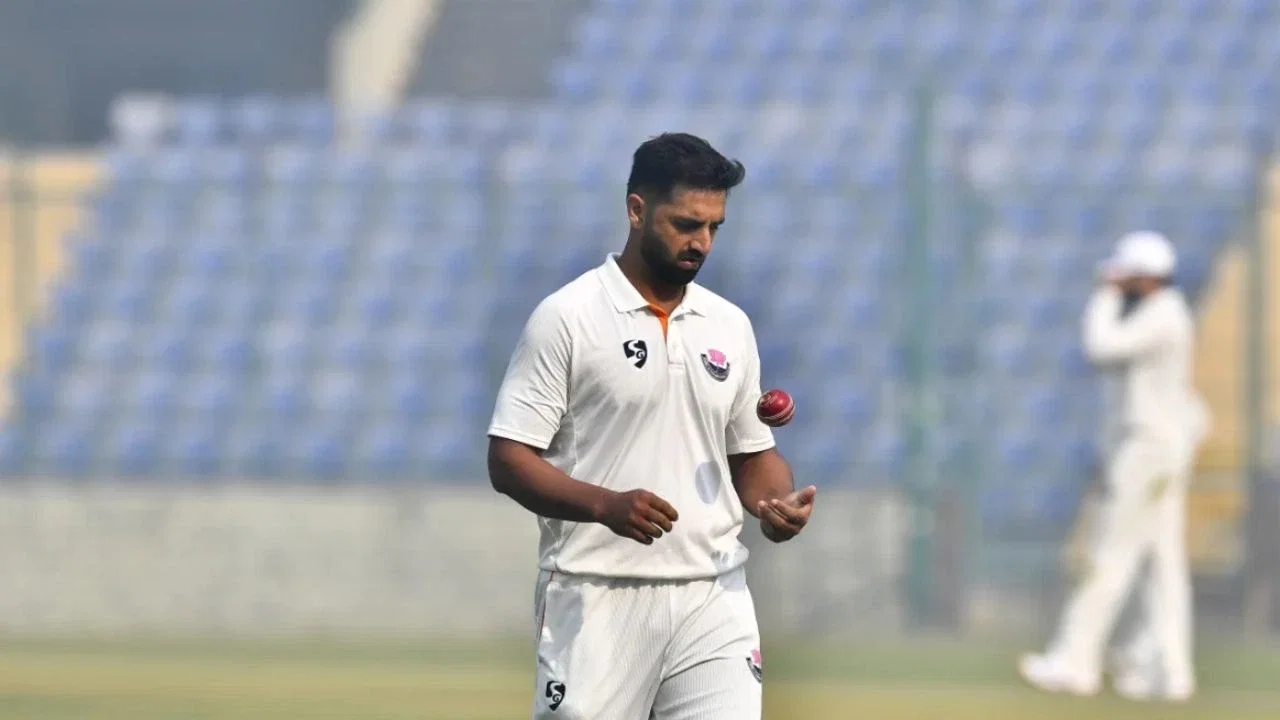
A Captain’s Choice: The Debate Surrounding Auqib Nabi
The announcement of the Indian squad for the upcoming one-off Test match against Afghanistan has sent shockwaves through the cricketing fraternity. While the inclusion of several young talents is a testament to the depth of Indian cricket, the surprising omission of Jammu and Kashmir’s standout pacer, Auqib Nabi, has dominated headlines. At the heart of this controversy is captain Shubman Gill, who finds himself facing pointed questions regarding his influence on team selection and the specific profile of bowlers he desires for the upcoming challenge in New Chandigarh.
The Domestic Dominance of Auqib Nabi
Auqib Nabi has been nothing short of a revelation in the domestic circuit. His record in the Ranji Trophy is staggering, serving as the cornerstone for Jammu and Kashmir’s historic championship victory. Over the course of 17 innings, the young speedster claimed an impressive 60 wickets, proving his mettle in the demanding environment of red-ball cricket. For many experts and fans alike, such a performance represents the quintessential blueprint for a Test call-up.
However, despite these numbers, the selection committee—led by Ajit Agarkar—opted for a different direction. The team management has instead leaned toward tall, raw pace, giving a nod to Gurnoor Brar. This decision has reignited a long-standing debate: is the selection process prioritizing potential and IPL-style aggression over the hard-earned consistency proven in the Ranji Trophy?
Suresh Raina Weighs In
The discourse took a sharper turn when former Indian batting stalwart Suresh Raina publicly questioned the logic behind the squad composition. Speaking on JioHotstar, Raina did not mince words, suggesting that the captain’s personal preferences play a definitive role in how the final eleven and the squad are shaped.
“Auqib Nabi should have gotten a chance,” Raina stated. “But Shubman would have given his inputs about the kind of bowlers he wanted.” This assertion places the weight of the decision directly on the shoulders of the captain, suggesting that Gill’s vision for the attack—perhaps favoring specific physical attributes over raw domestic statistics—led to Nabi being sidelined.
The Selection Dilemma: Consistency vs. Potential
The inclusion of Gurnoor Brar over the likes of Nabi has invited deep analytical scrutiny. Brar, standing at 6’5″, offers a vertical advantage that certainly appeals to modern tactical setups. While his record of 52 wickets in 18 matches is respectable, a closer look at his activity levels paints a different picture. Brar has lacked regular, consistent game time over the last few years, having played only one full domestic season for Punjab recently. In contrast, Nabi has remained a constant, performing week-in and week-out.
This situation highlights a growing tension within the Indian setup: the balance between rewarding proven domestic performers and opting for players who fit a specific tactical mold or “process” favored by the current leadership. When players like Nabi, who have carried their teams to silverware, are left out, it naturally leads to public skepticism regarding the transparency and logic of the selection committee.
Looking Ahead to the Test
As India prepares for the Test match starting on June 6, the squad features a mix of established stars and hungry debutants. With Gill at the helm and KL Rahul acting as his deputy, the focus remains firmly on securing a comprehensive victory. Jasprit Bumrah’s absence due to workload management opens doors for others to step up, but the absence of Nabi leaves a question mark that will likely linger until the team proves its effectiveness on the field.
The current squad includes Shubman Gill (c), Yashasvi Jaiswal, KL Rahul (vc), Sai Sudharsan, Rishabh Pant, Devdutt Padikkal, Dhruv Jurel, Washington Sundar, Mohammed Siraj, Kuldeep Yadav, Nitish Kumar Reddy, Manav Suthar, Prasidh Krishna, Gurnoor Brar, and Harsh Dubey. Whether this collection of players justifies the exclusion of domestic stalwarts remains to be seen, but for now, the pressure is squarely on the management to deliver a performance that silences the critics.
Ultimately, cricket is a game defined by results. If the team excels in New Chandigarh, the questions regarding selection may fade into the background. However, should the bowling attack struggle to maintain the discipline that a bowler like Nabi has shown, the debate over his omission will undoubtedly intensify, placing further pressure on the captaincy of Shubman Gill.