A Life Defined by Grace and Skill
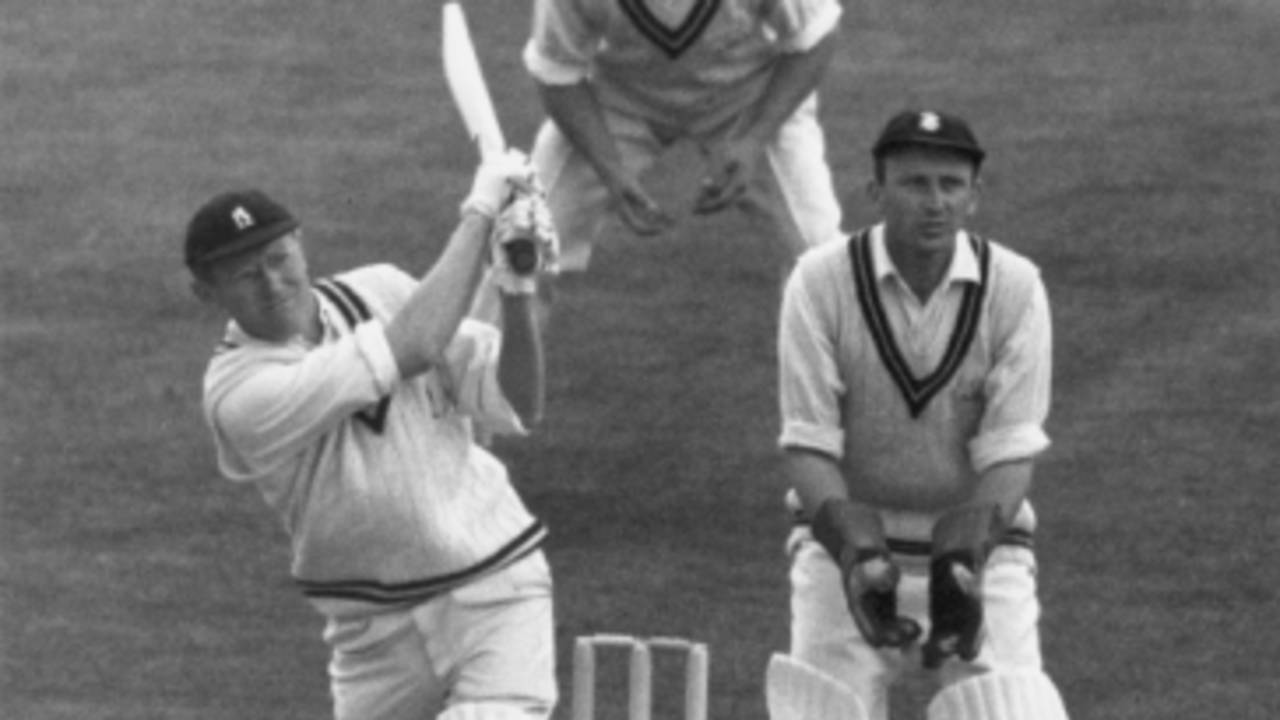
The sport of cricket has lost one of its most respected figures with the passing of MJK Smith at the age of 92. A giant of the game, Smith was a central figure in English cricket for nearly two decades, serving with distinction as both a player and a leader. His career, which spanned from 1956 to 1975, was characterized by an unwavering commitment to the sport, a high level of technical proficiency, and a gentlemanly demeanor that earned him the admiration of peers and opponents alike.
The Warwickshire Stalwart
Smith’s association with Warwickshire was legendary. Over the course of a 19-year career, he became the backbone of the county side, serving as captain for an impressive ten-year tenure between 1957 and 1967. His ability to perform under pressure was best exemplified during the 1959 season, when he amassed a club-record 2,417 runs. This extraordinary feat earned him the prestigious honor of being named a Wisden Cricketer of the Year. Across his first-class career, Smith accumulated 39,832 runs in 637 matches, placing him 18th on the all-time list of run-scorers—a testament to his consistency and endurance.
Leadership on the International Stage
Between 1958 and 1972, Smith represented England in 50 Test matches, leading the side in 25 of them. His captaincy record serves as a window into a more cautious era of the game: he secured victory in five Tests, suffered only three defeats, and oversaw 17 draws. While he led the side through various challenges, his only series loss came against a formidable West Indies side in 1966. His tactical acumen was perhaps best highlighted by a hard-fought 1-1 draw in Australia during the 1965-66 winter tour, a result that remains highly regarded in English cricket history.
A Versatile Athlete
Beyond his prowess on the cricket pitch, MJK Smith was a rare dual international. His athletic background included high-level rugby union, where he played as a fly-half for both Oxford University and Leicestershire. His talent was such that he earned a coveted England cap against Wales in 1956, showcasing the breadth of his sporting ability before he fully dedicated his professional life to cricket.
An Enduring Legacy and Tribute
Even after his playing days concluded, Smith remained deeply embedded in the sport. He served as the chairman of Warwickshire, acted as an ICC match referee for 21 international fixtures, and took on the role of England tour manager, notably during the 1994-95 Ashes. The tributes that have followed his passing highlight his character as much as his statistics. Former England captain Mike Atherton praised Smith’s “easygoing demeanour” and lack of pretension, while legendary opener Geoffrey Boycott remembered him as a “good, gentle guy” who empowered those around him.
The respect he commanded was evident at Edgbaston, where players and officials from Warwickshire and Glamorgan gathered on the outfield to pay their final respects. As ECB chair Richard Thompson aptly summarized, Mike Smith’s contribution to the game, both on and off the field, was of the highest order. His influence, integrity, and passion for the game will be remembered by generations of cricket fans to come.