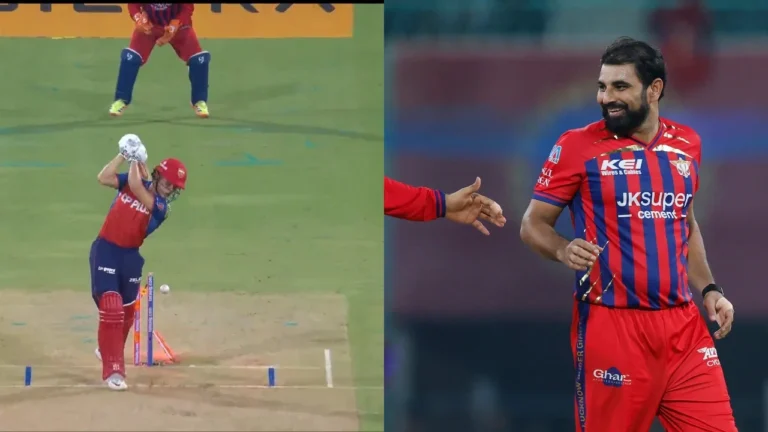
Ravindra Jadeja’s Departure from CSK: Captaincy Ambitions and the Rajasthan Royals Connection

The End of an Era at Chennai Super Kings
For over a decade, Ravindra Jadeja was the heartbeat of the Chennai Super Kings. His contributions, ranging from spectacular fielding to match-winning cameos, were instrumental in securing three IPL titles. His heroics in the 2023 final, where he famously chased down 10 runs in the final two balls, will remain etched in IPL folklore. However, the landscape of the league shifted dramatically ahead of the 2026 season when the star all-rounder was traded to the Rajasthan Royals.
The Trade Mechanics: A Strategic Overhaul
The pre-2026 trade window saw significant roster restructuring between Chennai and Rajasthan. In a move that caught many observers off-guard, Jadeja and Sam Curran were transferred to the Rajasthan Royals in exchange for wicketkeeper-batter Sanju Samson. The financial implications were also noteworthy, with Jadeja’s salary adjusting from Rs 18 crore to Rs 14 crore as part of the transition.
Sanju Samson, a stalwart of the Rajasthan franchise since 2021, had been seeking a new challenge following an injury-plagued 2025 campaign. This move opened a vacancy that the Royals were eager to fill, but the underlying motivations for Jadeja’s departure appear to extend beyond mere financial or tactical swaps.
The Captaincy Ambition Theory
According to recent reports, the driving force behind Jadeja’s exit was his personal ambition to lead an IPL franchise. Having previously captained CSK in 2022 following MS Dhoni’s temporary step back, Jadeja’s stint was cut short after a difficult run where the team won only two of their opening eight matches. Despite the setback, the belief persists that Jadeja sought a fresh start where he could assert his authority as a captain rather than operating under the massive shadow of MS Dhoni.
Interestingly, the Rajasthan Royals had tested several leadership options. During Samson’s injury-enforced absence in 2025, Riyan Parag was handed the reins, though the team struggled to find form, ultimately finishing ninth. Names like Yashasvi Jaiswal were also in contention, but the report suggests that Jadeja’s conversations regarding leadership roles made the CSK management uncomfortable, accelerating his eventual departure.
The ‘Rockstar’ Returns to His Roots
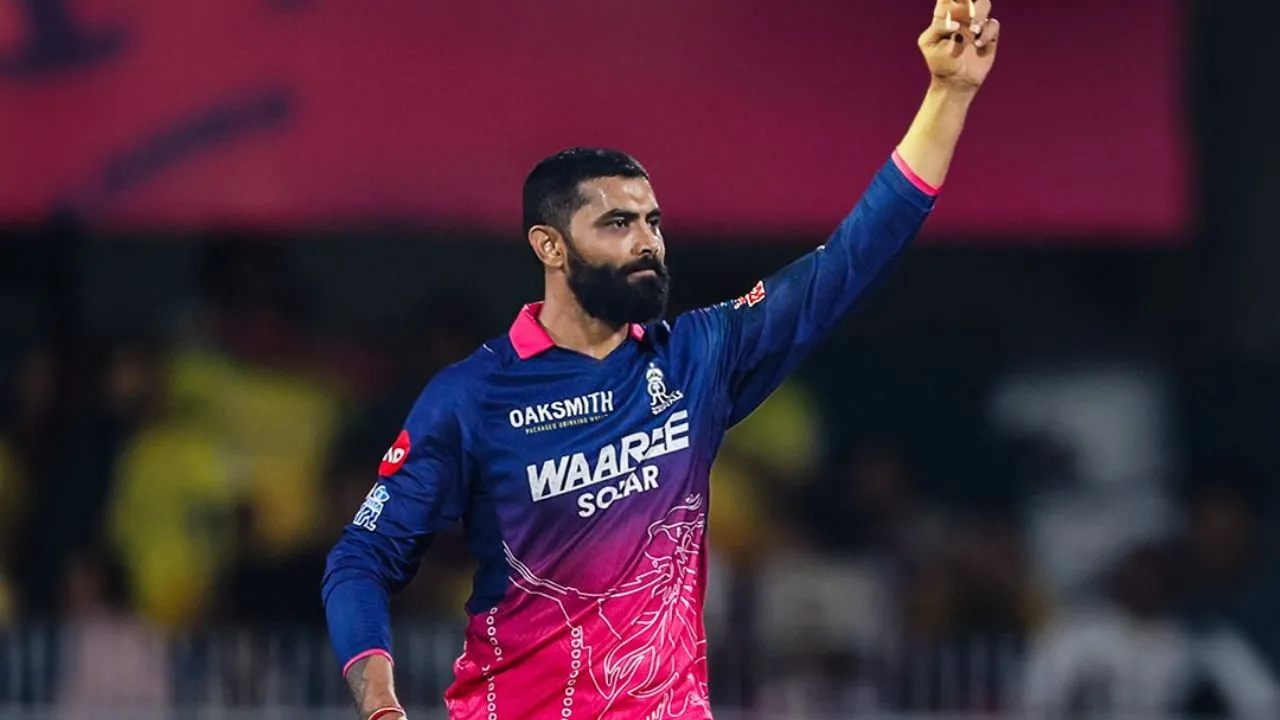
There is a poetic element to this move; Ravindra Jadeja began his illustrious IPL career with the Rajasthan Royals back in 2008. It was there that the late, great Shane Warne famously dubbed him the ‘Rockstar.’ Winning the inaugural title together created a legacy that now sees Jadeja back in the pink and blue jersey. However, the transition has not been without its critics.
MS Dhoni and the Internal Friction
Perhaps the most controversial aspect of this trade is the alleged lack of transparency. Despite MS Dhoni no longer holding the official captaincy title, his influence within the Chennai Super Kings is unparalleled. Reports suggest that the legendary wicketkeeper-batter was not fully informed about the trade, nor was he in agreement with the decision to let such a seasoned match-winner go.
This lack of communication hints at a deeper organizational shift at CSK. While the team remains a powerhouse, losing a player of Jadeja’s caliber—who has been consistently economical, if not always amongst the top wicket-takers—is a gamble. In the current season, Jadeja has claimed 8 wickets in 11 matches, maintaining his trademark discipline with the ball.
Looking Ahead
As Ravindra Jadeja navigates his new chapter at the Rajasthan Royals, the narrative surrounding his captaincy aspirations continues to be a major talking point. Whether he can replicate his success or if the move will eventually be viewed as a missed opportunity remains to be seen. What is clear, however, is that the dynamic between franchise management, star players, and the shadows of past legends continues to shape the evolving strategy of the Indian Premier League.
Ultimately, the departure of a player like Jadeja underscores how rapidly professional cricket can change. From the dizzying highs of title-winning finishes to the complexities of player movement and leadership hierarchies, his transition to Rajasthan serves as a case study in the modern IPL economy.