IPL Social Media Controversy: Arun Dhumal Addresses BCCI Player Guidelines

The Growing Shadow Over IPL 2026
The Indian Premier League (IPL) has long been the pinnacle of professional T20 cricket, blending world-class athleticism with high-octane entertainment. However, the 2026 edition of the tournament has been marked by more than just spectacular sixes and wickets. A wave of off-field incidents, controversies, and viral social media moments has forced the Board of Control for Cricket in India (BCCI) to intervene, issuing a comprehensive seven-page advisory to all franchises.
Addressing the ‘Reel Culture’ and Behavioral Norms
As the tournament progressed, concerns mounted regarding the behavior of players and support staff. From unauthorized access to dressing rooms to vaping incidents and alleged indiscipline, the decorum expected of professional athletes seemed to be slipping. The BCCI’s recent advisory served as a stern reminder of the standards expected within the league. The document explicitly warned against the risks of honey-trapping, restricted the travel of unauthorized individuals with team contingents, and discouraged the ‘reel culture’ and vlogging that has become a staple of modern player interaction.
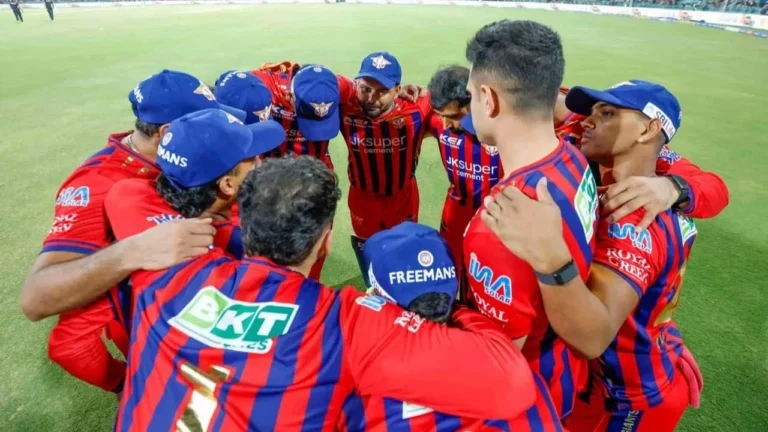
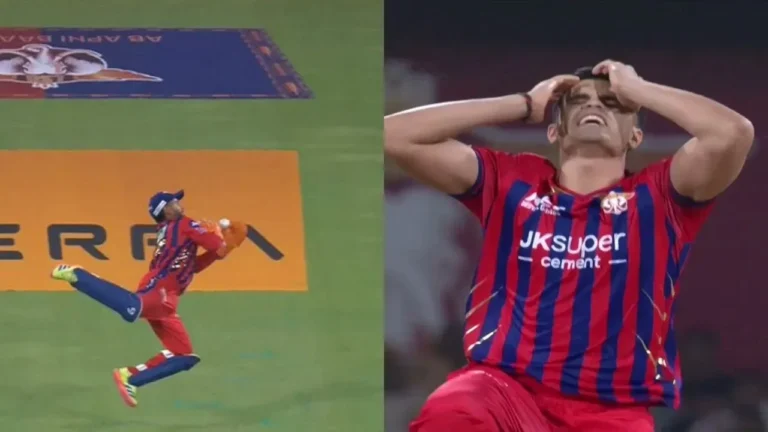
Specific incidents, such as Rajasthan Royals’ team manager being spotted with a phone in the dugout and skipper Riyan Parag being seen with an e-cigarette in the dressing room—despite vaping being illegal in India—highlighted the urgent need for stricter oversight. Similarly, the Punjab Kings faced intense scrutiny following rumors of internal rifts and public backlash regarding a player’s social media activities, specifically involving Arshdeep Singh.
Arun Dhumal: Integrity Over Interference
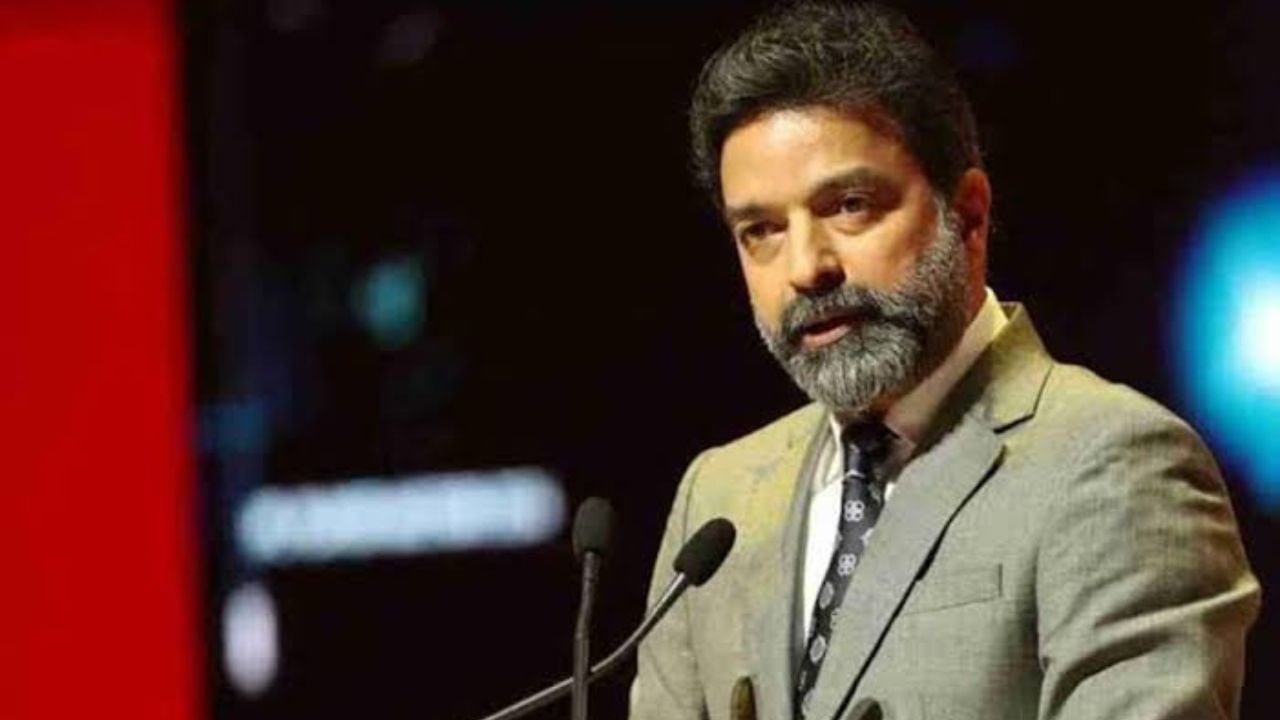
Amidst the growing noise, IPL Governing Council Chairman Arun Dhumal addressed these concerns on the sidelines of the Punjab Kings versus Royal Challengers Bengaluru clash in Dharamsala. Dhumal emphasized that the BCCI’s primary objective is not to police the personal lives of cricketers, but to protect the integrity of the sport.
“Most of the things that happen on social media, one cannot always be sure about the authenticity or how true they are,” Dhumal noted. “But whatever we need to do in terms of keeping the integrity of the game intact, we do our level best. There is much more that comes into the media than what actually is, so you have to take it with a pinch of salt.”
Regarding the new advisory, Dhumal clarified that it was less of a new policy and more of a necessary reinforcement of existing rules. He expressed confidence that franchise owners and team management understand the stakes involved, noting that the reputation of the IPL is a collective responsibility that impacts everyone involved in the ecosystem.
The Future of Players on Social Media
Perhaps the most discussed aspect of the controversy is the potential for a total ban on social media for players during the tournament. Dhumal, who has been vocal about his personal skepticism regarding digital platforms, offered a philosophical take on the situation. He candidly referred to social media as “the most anti-social thing,” suggesting that the obsession with virtual validation often comes at the cost of authentic human connection.
When asked if the BCCI would eventually implement an outright ban on social media usage for players during the IPL, Dhumal was measured in his response. He suggested that such restrictive measures might not be necessary if players eventually realize the value of real-world relationships over virtual ones. He believes that as the “fancy” of digital trends fades, core human values will reclaim their status as the most premium assets in an athlete’s life.
Conclusion: Restoring the Focus
The path forward for the IPL involves finding a delicate balance. While the league embraces modern engagement and the massive reach provided by social media, it cannot afford to compromise the professional environment required for elite-level cricket. As the BCCI continues to monitor these developments, the message to teams and players is clear: the focus must remain on the cricket, the spirit of the game, and the responsibility that comes with being a public figure. The integrity of the IPL is not just a regulatory requirement; it is the foundation upon which the league’s immense popularity is built.