BCCI Signals Transition: The Future of India Cricket Without Mohammed Shami

A New Chapter for the Indian Pace Attack
The recent announcement by the Board of Control for Cricket in India (BCCI) regarding the squad for the upcoming one-off Test and three-match ODI series against Afghanistan has sent ripples through the cricketing community. While the focus is naturally on the upcoming fixtures scheduled for June, the conversation has been dominated by one glaring omission: Mohammed Shami. His absence from both squads serves as a definitive indicator that the national selectors are actively looking beyond the veteran pacer as they reconstruct India’s bowling unit.
The Legacy of Mohammed Shami
Mohammed Shami has been a cornerstone of the Indian pace battery for over a decade. Hailing from Amroha and representing Bengal in domestic cricket, Shami burst onto the scene in 2013. His Test debut in Kolkata was nothing short of spectacular, where he claimed a five-wicket haul, immediately signaling that he was a force to be reckoned with. Over the course of his illustrious career, he donned the whites for India in 64 Tests, claiming 229 wickets at a highly impressive average of 27.71. His ability to move the ball both ways and extract seams off even the most unresponsive surfaces made him an invaluable asset to captains like Virat Kohli and Rohit Sharma.
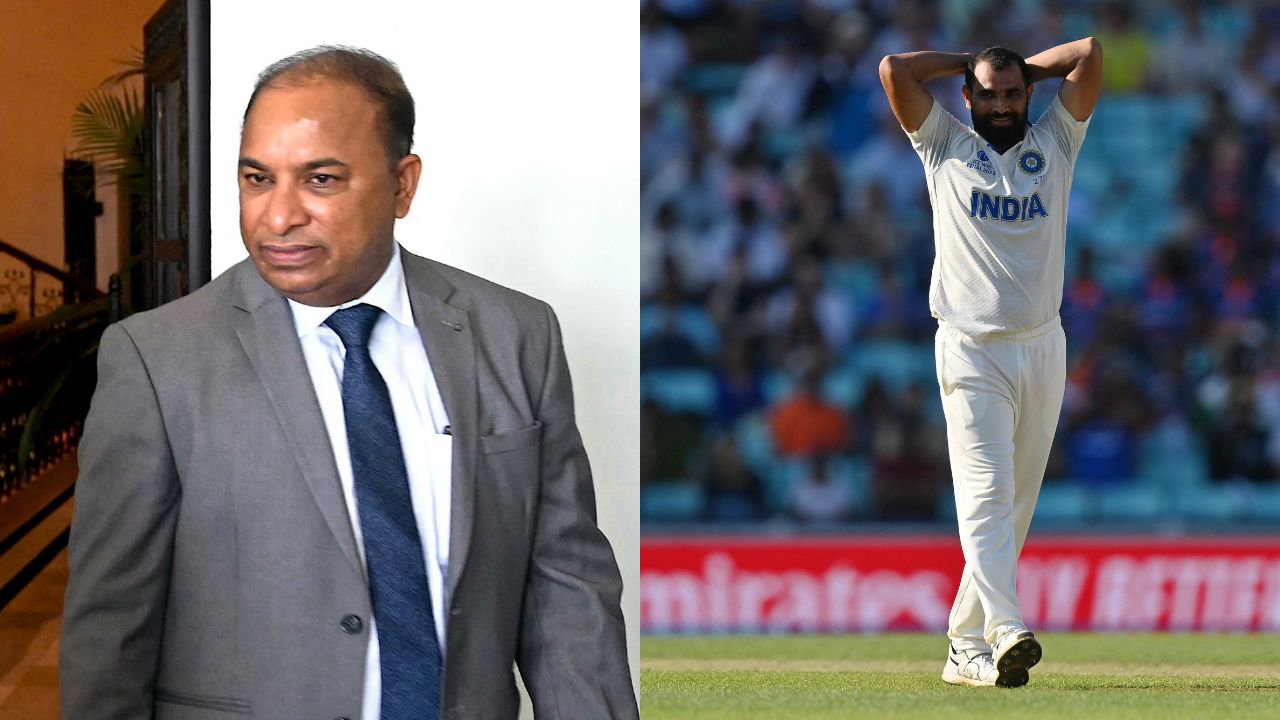
Shami’s influence extended beyond mere numbers; he was a vital part of the squads that reached the ICC World Test Championship finals in both 2021 and 2023. His final appearance in the longest format remains the 2023 WTC final against Australia at The Oval, a match that now seems to mark the end of an era for the seasoned campaigner.
The Path to the Current Omission
Shami’s journey over the past few years has been hampered by physical challenges. Following an exceptional showing in the 2023 ICC World Cup at home, he faced a lengthy layoff due to a persistent ankle injury requiring surgery. While he made a return to the international stage in 2025 during the T20I series against England and contributed to India’s successful Champions Trophy campaign, his international appearances have since dried up. Despite maintaining consistent form in domestic cricket and performing adequately across the last two seasons of the IPL, the selectors have clearly shifted their focus toward younger or more specialized talent for the longer formats.
Ajit Agarkar’s Clarification
Addressing the speculation surrounding Shami’s exclusion, BCCI chief selector Ajit Agarkar provided a candid assessment of the situation. According to Agarkar, the decision was based on the physical demands of different formats. “At this point, it’s T20 cricket that he is sort of ready for,” Agarkar stated during the press conference. He noted that while Shami has successfully participated in the domestic season, the board is currently not considering him for the rigorous demands of 50-over or Test cricket. This direct approach from the selector effectively puts an end to immediate speculation regarding a return to the Test side.
Looking Ahead: The New Look Attack
As India prepares to face Afghanistan—a Test match marking the first encounter between the two sides since 2018—the spotlight now shifts to the next generation of pacers. The match, set to be played at the New Chandigarh Stadium in Mullanpur, will see Mohammed Siraj take the mantle as the leader of the pace attack. Siraj, who has matured significantly in his international role, will be joined by Prasidh Krishna, while the squad also features a maiden call-up for Gurnoor Singh Brar. With the inclusion of Nitish Kumar Reddy, India is clearly signaling a strategy focused on youthful energy and versatility.
While fans may find the transition difficult given Shami’s immense contributions to the sport, the BCCI’s decision reflects a broader, clinical approach to squad management. As the calendar turns toward this new series, the focus will inevitably remain on how this revamped bowling attack performs on home soil and whether these new faces can successfully uphold the high standards set by their predecessors.