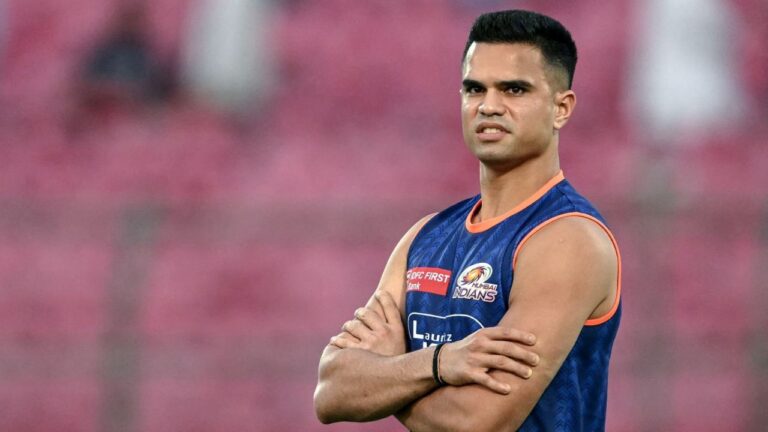
Auqib Nabi Snub: Dilip Vengsarkar Questions Ranji Trophy Relevance

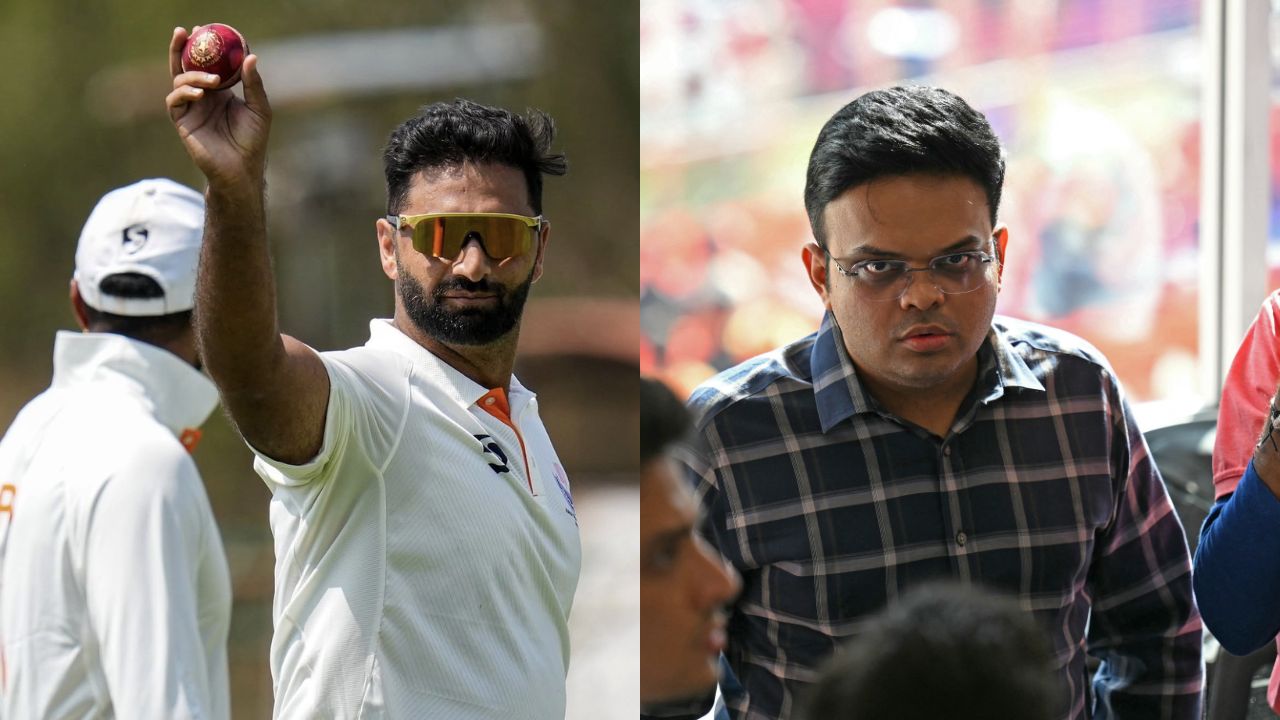
The Auqib Nabi Controversy: A Blow to Domestic Cricket?
In the high-stakes world of Indian cricket selection, few things spark as much controversy as the exclusion of a domestic giant. The recent announcement of the Indian Test squad for the one-off Test against Afghanistan has left cricket enthusiasts and experts alike in shock. At the heart of this storm is the omission of Jammu & Kashmir’s pace spearhead, Auqib Nabi, whose historic performance in the 2025-26 Ranji Trophy season appears to have been overlooked by the national selection panel.
A Season for the Ages
Auqib Nabi’s 2025-26 campaign was nothing short of extraordinary. Over the course of 10 matches, the 29-year-old pacer claimed 60 wickets at an impeccable average of 12.56. His role as the spearhead was pivotal in leading his side to their maiden Ranji Trophy title, earning him the well-deserved title of Player of the Tournament.
His ability to dismantle batting lineups was consistent throughout the season:
- Quarterfinal vs Madhya Pradesh: A massive haul of 12 for 110.
- Semifinal vs Bengal: A dominant 9 for 123.
- Final vs Karnataka: A match-winning 5 for 54 in the first innings.
With seven five-wicket hauls and two four-wicket hauls in a single season, Nabi statistically established himself as the premier red-ball bowler in the country.
The Criticism: Vengsarkar and the Cricket Fraternity Speak Out
Former India captain and chief selector Dilip Vengsarkar did not mince his words when discussing the decision. In an interview, he labeled the snub as both “absurd” and “baffling.” According to Vengsarkar, the selection committee has failed to reward genuine performance, posing a significant threat to the morale of domestic players.
“What kind of selection is this? It is just not acceptable. It is an injustice,” Vengsarkar stated. He firmly rejected the notion that Nabi’s pace—often cited as around 130 kmph—should be a hindrance. “You pick a bowler for his ability to get wickets. This kid has shown tremendous consistency. If domestic performances are not a criterion, then the BCCI should scrap domestic cricket,” he added, delivering a stern warning about the future of the Ranji Trophy.
Support for Nabi extended beyond Vengsarkar. Former India allrounder Irfan Pathan took to social media to urge authorities not to discourage Ranji Trophy excellence, while former Mumbai captain Shishir Hattangadi described the exclusion as a move that undermines the credibility of the entire domestic structure.
The Selection Committee’s Rationale
Despite the public outcry, the selection panel, led by Ajit Agarkar, opted to include Gurnoor Brar in the squad. Sources close to the selection process have defended the decision by highlighting that selectors look for more than just raw statistics. “There is always a highest run-getter and wicket-taker,” one source noted. “Should selectors simply be replaced by stats analysts? Gurnoor has performed well for India A and impressed in the Vijay Hazare Trophy.”
Was This the Perfect Opportunity?
Many critics, including Vengsarkar, believe that the absence of Jasprit Bumrah from the Afghanistan Test provided the ideal window to test an in-form bowler like Nabi. The argument is that players should be integrated into the national setup while they are at the peak of their confidence and fitness. By waiting, the selectors risk missing the window where a player is most hungry and effective.
The debate currently raging in Indian cricket circles is not just about one player; it is a fundamental question about the pathway to the national team. For now, the cricketing public remains divided between those who prioritize the ‘eye test’ and potential of younger prospects, and those who believe the Ranji Trophy must be the ultimate yardstick for national selection. As the Indian team prepares for their upcoming challenge, the shadow of this selection snub continues to loom over the domestic landscape.