Indian Domestic Cricket Season 2026-27: Full Schedule & Key Tournaments

- Men’s Senior Season Commences with Red-Ball Classics
- The Ranji Trophy: A Dual-Phase Marathon for First-Class Honours
- White-Ball Excitement: Syed Mushtaq Ali and Vijay Hazare Trophies
- Empowering Women’s Cricket: A Comprehensive Domestic Season
- Nurturing Emerging Talent: New Additions and Format Innovations
- Strategic Scheduling Enhancements for Youth Tournaments
- BCCI’s Enduring Commitment to Domestic Cricket
The Board of Control for Cricket in India (BCCI) has unveiled an extensive and ambitious calendar for the 2026-27 domestic cricket season, promising an unparalleled feast of cricket across various formats, age groups, and genders. With a staggering 1788 matches slated to be played, the upcoming season is designed to be a comprehensive platform for talent identification, player development, and competitive action across the country. This robust schedule underscores the BCCI’s unwavering commitment to strengthening the bedrock of Indian cricket, ensuring a steady pipeline of skilled cricketers for both national and international stages. The meticulously planned season aims to balance traditional red-ball challenges with the dynamic demands of white-ball cricket, while also prioritizing player welfare and optimal playing conditions.
Men’s Senior Season Commences with Red-Ball Classics
The curtains for the senior men’s domestic season will rise with the prestigious Duleep Trophy, scheduled to commence from August 23. This inter-zonal first-class competition brings together six zonal teams, providing an early opportunity for India’s best red-ball cricketers to showcase their prowess and stake a claim for higher honours. The Duleep Trophy has historically served as a vital proving ground for Test aspirants, and its early placement in the calendar ensures players are match-ready for the challenges ahead.
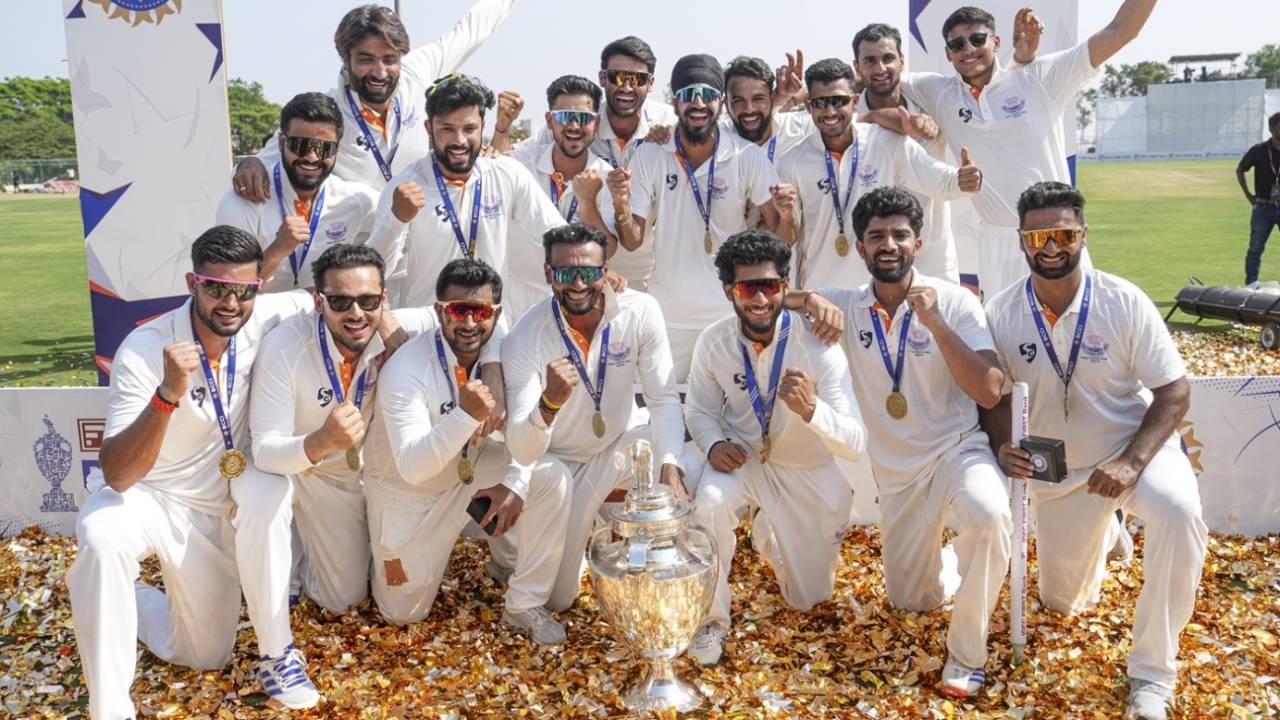
Following the Duleep Trophy, the revered Irani Cup is set to take centre stage from October 1. This fixture traditionally pits the reigning Ranji Trophy champions against a formidable Rest of India squad. For the 2026-27 season, the defending Ranji Trophy champions, Jammu & Kashmir, will face the Rest of India team in what promises to be a captivating contest. The Irani Cup acts as a bridge between zonal and national recognition, offering a unique challenge to the Ranji winners and an opportunity for other top performers to test their mettle.
The Ranji Trophy: A Dual-Phase Marathon for First-Class Honours
The cornerstone of Indian domestic cricket, the Ranji Trophy, along with the Under-23 Col CK Nayudu Trophy, will once again adopt its popular two-phase format. This strategic scheduling ensures that players receive adequate rest and preparation time, while also accommodating other crucial white-ball tournaments. The Ranji Trophy, featuring 32 teams in the Elite group and six teams in the Plate group, continues to be the ultimate test of endurance, skill, and temperament in Indian first-class cricket. This structure allows for widespread participation and competitive fixtures across diverse cricketing regions.
The first leg of the Ranji Trophy will be contested throughout October and November 2026. This initial phase will build momentum and establish early standings before a strategic break. The tournament will then resume in January and conclude in February, providing a thrilling climax to the first-class season. This two-phase approach not only mitigates potential weather disruptions in certain regions during peak winter months but also creates windows for crucial white-ball tournaments, ensuring a comprehensive cricketing calendar for players.
White-Ball Excitement: Syed Mushtaq Ali and Vijay Hazare Trophies
Sandwiched between the two phases of the Ranji Trophy will be India’s premier white-ball competitions: the Syed Mushtaq Ali Trophy (senior men’s T20) and the Vijay Hazare Trophy (senior men’s List A). The Syed Mushtaq Ali Trophy, a high-octane T20 tournament, provides an ideal platform for players to hone their skills in the shortest format, often serving as a scouting ground for the Indian Premier League (IPL) franchises and national selectors. Its placement before the second phase of Ranji allows players to transition between formats effectively.
Following the T20 spectacle, the Vijay Hazare Trophy, India’s premier List A one-day competition, will take centre stage. This tournament offers a crucial opportunity for players to demonstrate their abilities in the 50-over format, which remains vital for national team selection and state pride. The inclusion of both these white-ball tournaments within the domestic calendar ensures that players are continually challenged across all formats, fostering versatility and adaptability essential for modern cricket.
Empowering Women’s Cricket: A Comprehensive Domestic Season
The 2026-27 season also features a robust and comprehensive schedule for women’s domestic cricket, reflecting the BCCI’s growing emphasis on promoting and developing women’s talent. The season for senior women will kick off with the Senior Women’s T20 Trophy, scheduled from October to November. This will be followed by the Senior Women’s Inter-Zonal Trophy, providing an additional layer of competition and exposure for top performers.
The focus will then shift to the one-day format, with the Senior Women’s One-Day Trophy and the Senior Women’s Inter-Zonal One-Day Trophy both slated to be played between December and February. This structured approach ensures that women cricketers receive ample opportunities to compete in both T20 and 50-over formats, crucial for their development and preparation for international assignments. Furthermore, the women’s age-group tournaments are scheduled to run from November to January, ensuring a continuous pathway for young talent to emerge and progress through the ranks.
Nurturing Emerging Talent: New Additions and Format Innovations
A significant new addition to the upcoming season is a match featuring the winners of the CK Nayudu Trophy against a Rest of India squad. This innovative fixture is designed to “provide an enhanced competitive platform for emerging Under-23 cricketers,” offering them a unique opportunity to compete against a high-calibre opposition and gain valuable experience at an elevated level. This initiative is a testament to the BCCI’s commitment to creating robust pathways for young cricketers to transition from age-group cricket to senior domestic and potentially international cricket.
Further demonstrating a forward-thinking approach, the Men’s U-23 State A Trophy and the Vizzy Trophy, traditionally contested by university teams, have both undergone a format conversion. These tournaments, which were previously played in the one-day format, will now be contested in the dynamic T20 format. This change aligns with the evolving landscape of global cricket, providing young players with more exposure to the shortest format and preparing them for the demands of modern white-ball cricket, including potential IPL opportunities.
Strategic Scheduling Enhancements for Youth Tournaments
The BCCI has also made strategic adjustments to the scheduling of youth tournaments, keeping player welfare and optimal playing conditions in mind. Recognising potential weather challenges in certain parts of the country during January, the Under-19 Cooch Behar Trophy (Elite group) will be played entirely in the more consistent climatic conditions of Bengaluru and Mysuru. This concentrated venue approach aims to minimise disruptions and ensure a smooth flow of matches for these crucial age-group players.
In another thoughtful move, the Under-16 Vijay Merchant Trophy has been brought forward in the calendar, now scheduled to be played from November to January. This adjustment is intended to “allow for improved scheduling and player preparation,” ensuring that the young cricketers have ample time to prepare and compete in favourable conditions. Such meticulous planning across all age groups underscores the BCCI’s holistic approach to player development and the overall health of Indian domestic cricket.
BCCI’s Enduring Commitment to Domestic Cricket
In a statement released on Wednesday, the BCCI affirmed its overarching vision for the season. “The 2026-27 domestic season reflects the BCCI’s continued commitment to building a strong and competitive domestic structure while ensuring a balanced progression across formats and categories,” the statement declared. This sentiment encapsulates the essence of the new calendar: a comprehensive, well-structured, and forward-looking approach designed to foster talent, promote fair competition, and ensure the sustained growth and excellence of Indian cricket at all levels. The extensive number of matches, the strategic scheduling, and the introduction of new competitive platforms collectively highlight the BCCI’s dedication to maintaining India’s status as a cricketing powerhouse.