Cricket Canada Crisis: Board President Targeted in Shooting Amidst Fixing Scandal

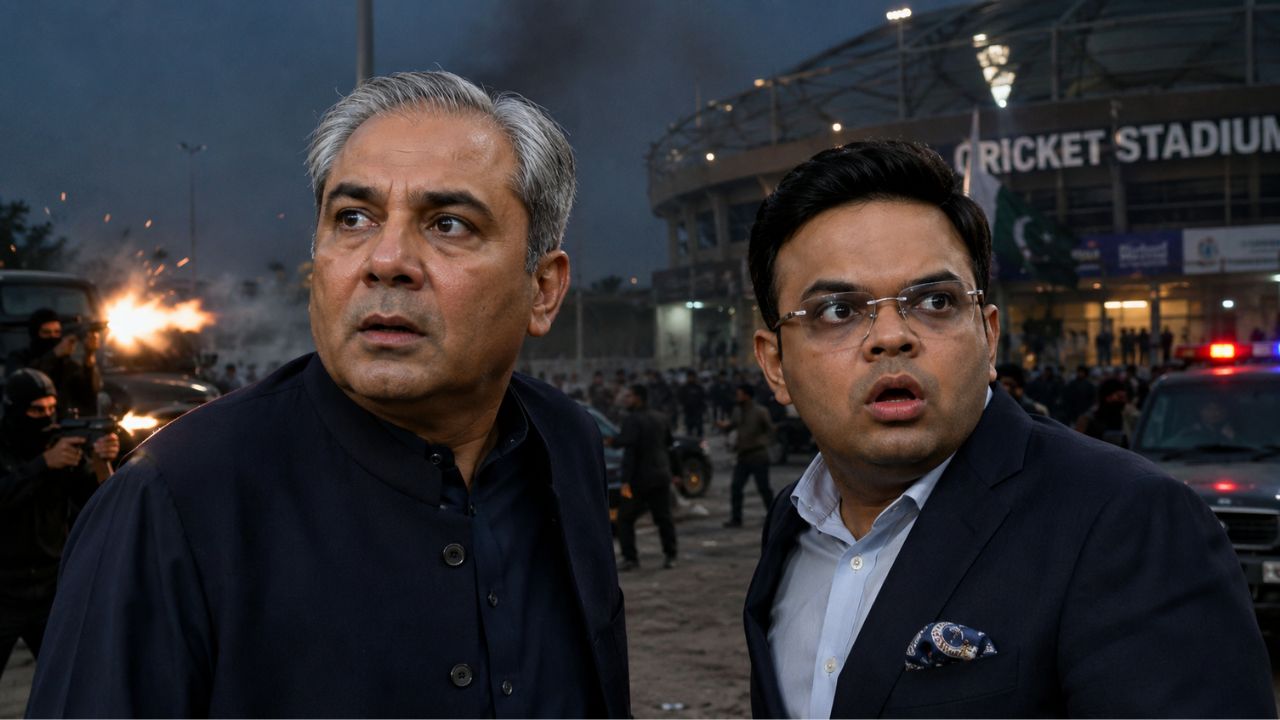
A Dark Chapter for Cricket Canada
Cricket Canada, once an emerging associate nation, is currently enduring one of the most tumultuous periods in its history. The organization finds itself at the center of a perfect storm, marked by administrative instability, serious allegations of corruption, and a terrifying escalation of violence that has sent shockwaves through the global sporting community. Following a disappointing T20 World Cup campaign in India, the sport in the nation is now facing intense scrutiny from international bodies and law enforcement alike.
The Shooting Incident in Surrey
The situation took a chilling turn on Wednesday, May 20, when gunshots were fired at the Surrey, British Columbia, residence of Cricket Canada President Arvinder Khosa. The incident occurred in the early hours of the morning, around 4:40 AM local time. While no injuries were reported, the severity of the attack is undeniable, with preliminary assessments suggesting that approximately five bullets were fired at the doors and windows of the property.
Surrey Police have launched an investigation into the matter. Sergeant Ali Gailus, in a statement to The Fifth Estate, confirmed that the shooting appears to be linked to extortion. “An individual associated with the residence that was shot this morning has received extortion-related threats,” Gailus stated. The involvement of organized crime groups, such as the Lawrence Bishnoi network, in these threats has raised profound questions regarding the safety of cricket officials and players in the region.
Allegations of Corruption and Match-Fixing
The violence follows a series of investigative reports that have cast a long shadow over the integrity of Canadian cricket. A recent documentary by The Fifth Estate highlighted alarming details regarding the team’s participation in the T20 World Cup, specifically pointing toward potential spot-fixing activities during their match against New Zealand. The ICC Anti-Corruption Unit (ACU) has reportedly been looking into these events with great interest.
At the center of these allegations is 23-year-old Dilpreet Bajwa, who was named captain just before the tournament. His decision-making during the match against New Zealand—specifically his choice to bowl the fifth over of the innings—raised immediate eyebrows among fans and commentators. With New Zealand at 35/2, Bajwa’s over resulted in 15 runs and included a costly no-ball, a performance that appeared highly questionable given the circumstances. Consequently, Bajwa was summoned by the ACU for questioning regarding the irregularities observed in the team’s gameplay and selection processes.
Administrative Turmoil and ICC Suspension
The crisis is compounded by the fact that the International Cricket Council (ICC) recently suspended Cricket Canada, effectively isolating the board from the global cricketing fraternity. This suspension comes at a time when the board is already in a state of flux. Arvinder Khosa had only recently assumed the role of interim president in April, before being officially elected on May 9. Just one week into his permanent term, he is now tasked with navigating the organization through an existential threat.
A Disappointing World Cup Campaign
On the field, the performance of the Canadian squad during their tour of India did little to alleviate the pressure. Despite a few flashes of individual brilliance, such as Yuvraj Samra’s century against New Zealand, the team struggled to maintain consistency. The campaign ended without a single victory, with Canada suffering four consecutive losses against South Africa, the UAE, New Zealand, and Afghanistan. Being one of only three teams to finish the tournament winless, the on-field failure has only served to amplify the administrative failures currently under investigation.
As the investigation into the extortion-related shooting continues, and the ICC maintains its suspension, the future of cricket in Canada remains uncertain. The sporting world watches with concern as the board attempts to reconcile these internal crises with the external demand for accountability and integrity.