CSA Faces Backlash Over Newlands New Year’s Test Ticket Allocations

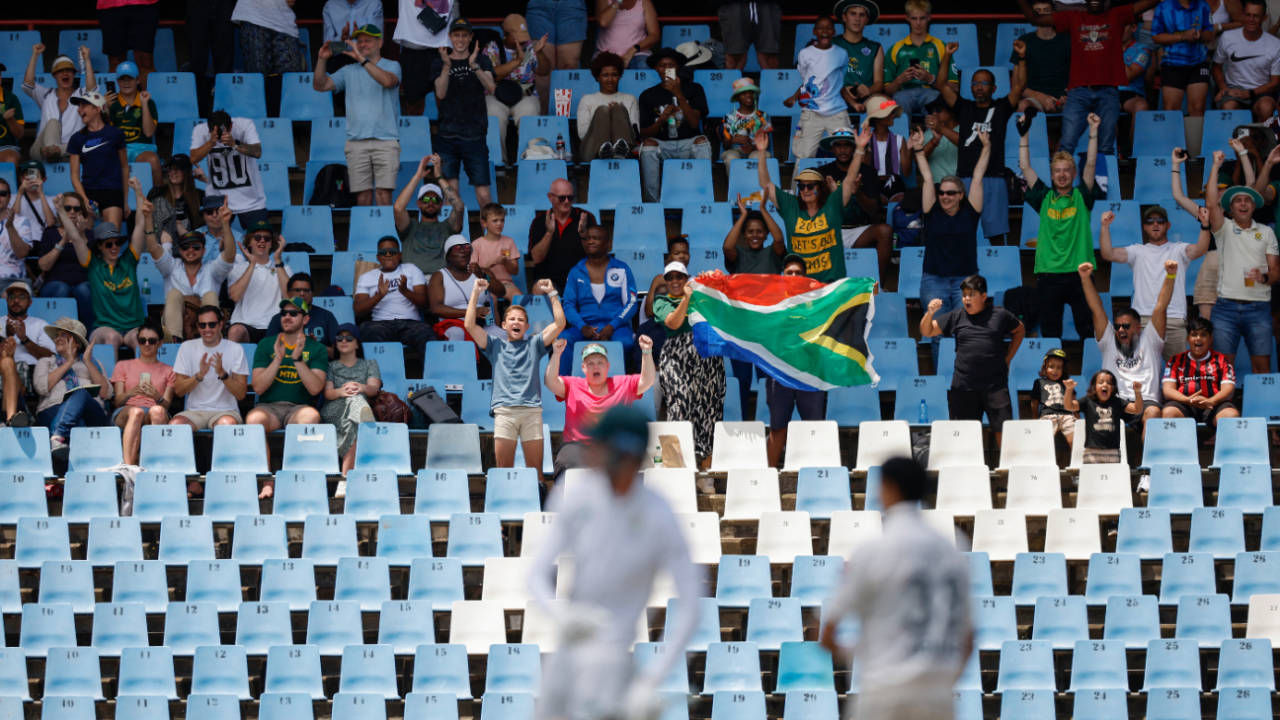
Local Fans Marginalized in Pursuit of Commercial Gold
Cricket South Africa (CSA) has sparked widespread frustration among domestic sports fans after putting less than 1,600 general public tickets per day on sale for the highly anticipated New Year’s Test against England at Newlands. The tickets, which went on sale on Monday morning, sold out within a mere ten minutes, leaving thousands of local cricket enthusiasts empty-handed.
The marquee match, scheduled to take place between January 3 and 7, 2027, is historically the crown jewel of the South African cricket calendar. However, local spectators hoping to watch their team under the gaze of Table Mountain are highly likely to be in the minority. In an aggressive bid to monetize its most popular fixture, CSA has heavily prioritized international tour groups, hospitality corporations, and corporate stakeholders over the average domestic fan.
The Newlands Ticket Allocation Breakdown
To understand why tickets vanished so rapidly, one must look at the strict allocation strategy implemented by CSA. Out of the total capacity at Newlands, only a fraction was made available to the general public. The complete allocation breakdown is as follows:
- 39% – International and domestic travel packages
- 19% – Complimentary tickets allocated to CSA and member sponsors, stakeholders, match officials, visiting and home teams, media, marketing, and service allocations
- 21% – General hospitality and member complimentary tickets
- 13% – Released to the public and unreserved seating (with 9% released initially and 4% held back)
- 2% – Season ticket holders
- 3% – Restricted areas
- 1% – Wheelchair users and assistants
- 1% – Sight screen restricted seating
- 1% – Reserved backup allocations
With Newlands’ maximum capacity currently reduced to 17,544—down from over 20,000 due to recent on-site real estate developments—the 13% public allocation translates to very limited availability. Only 9% of these tickets were made available in the initial public sale, resulting in fewer than 1,600 seats per day for ordinary buyers.
Monetizing the English Tourist Market
Test cricket matches in South Africa typically struggle for high attendance numbers, with the notable exceptions of the festive fixtures at SuperSport Park in Centurion and Newlands in Cape Town. Historically, these matches draw massive crowds, particularly when the visiting nation boasts a passionate traveling support base. England, with its famous ‘Barmy Army’, represents the most lucrative touring nation of all.
The timing of the tour coinciding with the peak December-January holiday season makes Cape Town a premier destination for British tourists. Combined with a highly favorable exchange rate of approximately 22 Rand to the Pound, CSA has clearly sought to maximize its revenue.
To capitalize on this, CSA allocated 12% of the total stadium capacity to international travel packages and 27% to domestic ones. The local packages are primarily sold through SA Cricket Travel, a newly formed joint venture between CSA and tourism giant TourVest. However, this strategy has not only upset locals but has also drawn criticism from traveling English fans. Reports in the UK media indicate that touring supporters are highly dissatisfied with being forced to buy expensive bundled packages, which include mandatory hotel stays and transfers, totaling several hundred pounds.
Domestic Backlash and Financial Realities
In South Africa, the outcry has been loud and immediate. Local radio stations, including CapeTalk, hosted segments addressing the extreme difficulties South Africans faced when trying to secure seats. Sports business researcher Nqobile Ndlovu noted in an interview that while the decision makes clear commercial sense, CSA has “essentially locked out your domestic fans” in the process.
For ordinary South Africans, general access tickets priced between R250 and R400 (approximately US$15 to US$25) are highly affordable. However, the lack of supply means local fans, who were starved of home red-ball cricket last summer due to a lack of home fixtures, are being priced out by bundled packages they do not need.
From a financial perspective, CSA is attempting to navigate a fluctuating balance sheet. Although the organization reported a solid profit of R238 million (approx. US$13.7 million) in the previous financial year, profits are expected to dip significantly in the current cycle after hosting only a single incoming tour—a brief three-match T20I series against the West Indies. The upcoming 2026-27 season, featuring lucrative visits from both Australia and England, is CSA’s primary window to restore its financial reserves.
Is There Any Hope Left for Fans?
While the first four days of the New Year’s Test at Newlands have been declared officially sold out, a small glimmer of hope remains. CSA has held back 4% of the public allocation, which will be released at a later date. Furthermore, any unused tickets from the hospitality, sponsor, or sight-screen allocations will be returned to the public pool closer to the match day. Sight-screen allocations are typically finalized once the pitch is prepared and match officials sign off on the layout.
For fans who miss out entirely on Cape Town, tickets remain more readily available for the first and second Tests of the summer, scheduled to be played at Johannesburg’s Wanderers Stadium and Centurion’s SuperSport Park respectively.