ECB Warns of Financial Losses in 2027 Due to Absence of India Series

The Financial Reality of Modern Cricket
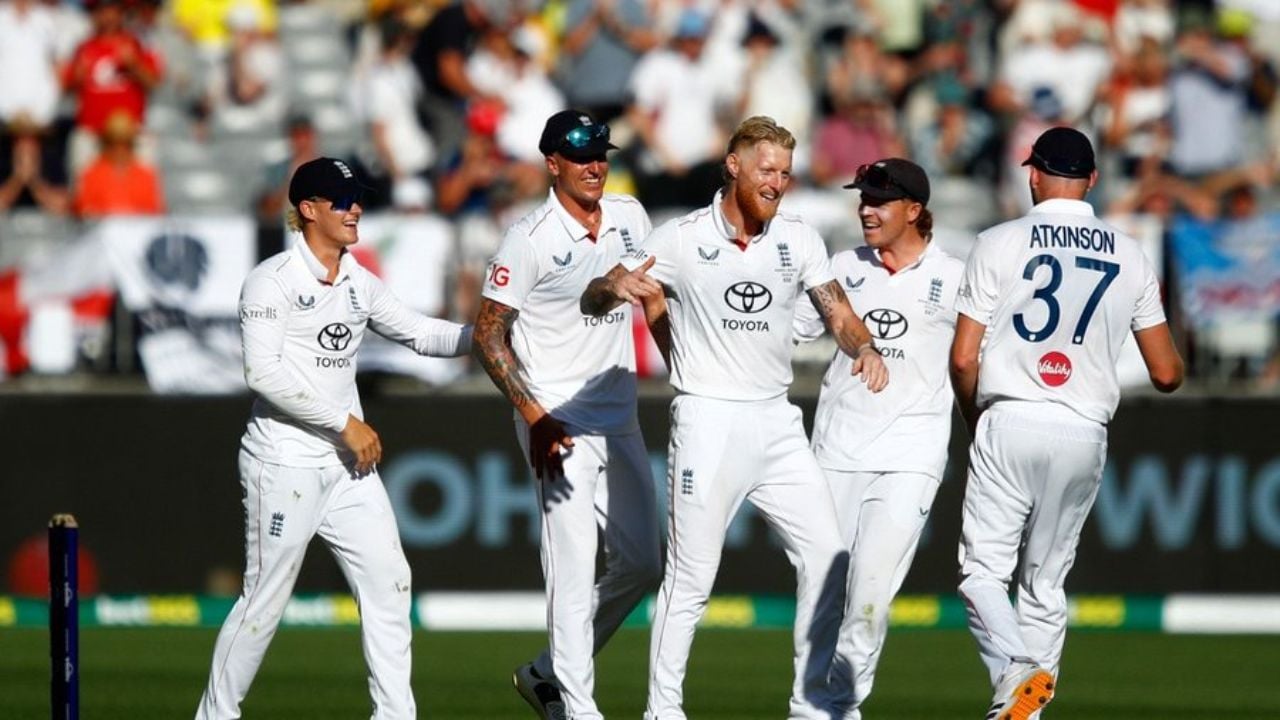
In a revealing turn of events, the England and Wales Cricket Board (ECB) has projected a ‘significant loss’ for the 2027 financial year. Despite the anticipation surrounding the legendary Ashes series scheduled for the same period, the governing body has made it clear that a series against Australia is no longer enough to insulate the board from financial downturns.
This disclosure highlights an increasingly common trend in international cricket: the overwhelming reliance on broadcast deals tied to tours by the Indian men’s cricket team. For the ECB, as well as many other cricketing nations, the difference between a profitable year and a fiscal deficit often comes down to the frequency of playing against India.
The India Factor: A Revenue Engine
The ECB’s 2026 financial report provides a clear blueprint of their economic health. For the year ended January 31, 2026, the board reported a profit of £12.6 million on ordinary activities, with a turnover reaching £89.4 million. These figures were directly linked to the lucrative broadcast and ticketing revenues generated during India’s visit. As the board explicitly stated, the increased turnover was largely driven by the high-value broadcast deals accompanying the India men’s Test series.
The contrast between these figures and the 2027 outlook is stark. The board noted that their revenues are inherently cyclical, dependent on the scheduling of specific opponents. Without the presence of an Indian tour on the 2027 calendar, the financial model faces an unavoidable contraction, leading to the forecast of a loss.
Beyond the Ashes
The fact that the Ashes—historically the most prestigious and commercially valuable series in English cricket—cannot prevent a projected loss in 2027 is a significant development. It underscores how the commercial landscape of the sport has shifted. India’s massive broadcast market and global fan base have turned matches involving the Indian team into the primary drivers of cricket’s global economy.
This reliance is further highlighted by the ECB’s broader financial maneuvers, such as the sale of The Hundred franchises, which brought in a profit of £522.3 million. While such initiatives provide cash reserves and long-term liquidity, the day-to-day operations and operational sustainability remain tethered to the international FTP (Future Tours Programme) and the specific inclusion of high-drawing series like those against India.
A Packed Calendar Ahead
Despite these financial concerns, the immediate future for English cricket remains as busy as ever. The men’s team, under the direction of newly appointed selector Marcus North, is preparing for a challenging schedule. Following a three-match Test series against New Zealand beginning on June 4, the team will transition into a limited-overs series against India, consisting of 5 T20Is and 3 ODIs. The home summer will then proceed with The Hundred, followed by a Test series against Pakistan, and concluding with a visit from Sri Lanka.
Growth in Women’s Cricket
The English women’s team is also facing a pivotal year. With the Women’s T20 World Cup hosted by England in June, the schedule is packed with preparation matches, including T20I series against New Zealand and India. Perhaps most significantly, the summer will feature a historic Women’s Test match between England and India at the iconic Lord’s cricket ground, further cementing the importance of the India-England cricketing relationship across both formats and genders.
Conclusion: A Global Challenge
The ECB’s warning serves as a cautionary tale for the sport. While the passion for traditional rivalries like the Ashes remains unmatched, the financial sustainability of cricket boards is increasingly fragile. As the board looks toward 2027, the challenge lies in balancing the inherent value of historic contests with the necessity of the modern financial model, which currently dictates that India is the essential partner for fiscal success. Whether other revenue streams can eventually bridge this gap remains the most pressing question for cricket administrators worldwide.