A New Era for Western Australian Cricket
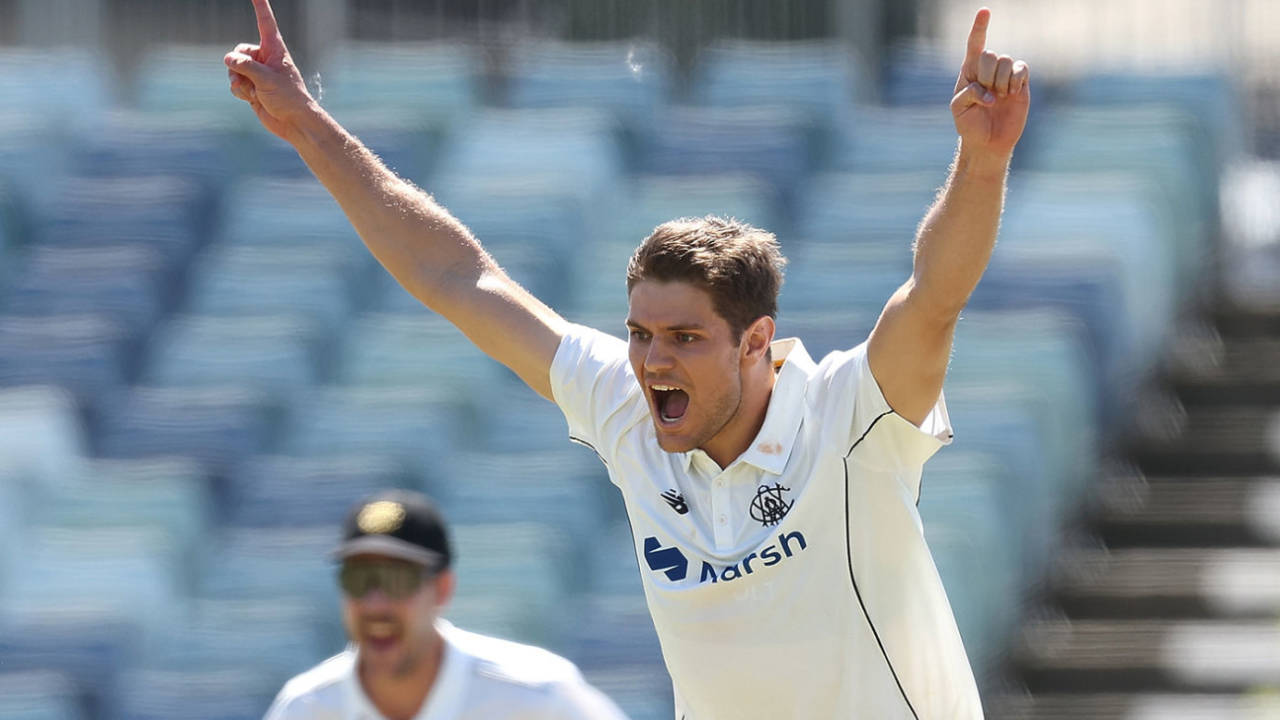
Western Australian cricket is officially embarking on a period of transition. As the team prepares for the 2026-27 Sheffield Shield season, the organization has announced that talented allrounder Aaron Hardie will take over the captaincy reins from Sam Whiteman. This strategic move marks a pivotal shift for the state, which has enjoyed remarkable success on the domestic stage over the last several years.
The Legacy of Sam Whiteman
Sam Whiteman leaves behind a storied tenure as captain. Having led Western Australia in 38 Sheffield Shield matches, his influence was instrumental in securing two consecutive titles in 2022-23 against Victoria and 2023-24 against Tasmania. His record places him in elite company, joining the ranks of legendary WA captains such as John Inverarity, Graeme Wood, and Tom Moody as one of only four men to lead the state to multiple Shield victories.
Whiteman’s decision to move into a different role is tied to his professional commitments abroad. Having signed a long-term contract to play with Yorkshire in England’s County Championship, Whiteman will continue to represent Western Australia as an overseas player. His ongoing presence in the squad remains a vital asset, as his wealth of experience will undoubtedly support the team during this period of change.
Transitioning Under New Leadership
The appointment of Aaron Hardie coincides with a broader structural evolution within the Western Australian cricket setup. After an illustrious eight-season tenure that defined a golden age for the state, coach Adam Voges is stepping down. Stepping into the role is former Australian wristspinner Beau Casson, who previously served as the batting coach under Voges. Casson’s transition into the head coach position for both the Sheffield Shield and One-Day Cup teams is expected to provide stability and continuity for the squad.
Why Aaron Hardie is the Right Choice
At 27 years of age, Hardie has long been earmarked as a future leader within the Australian cricket landscape. His credentials for the captaincy are extensive; he has already gained significant leadership experience by captaining Australia A against New Zealand A in 2023 and leading the side against the England Lions in 2025. Furthermore, Hardie gained valuable experience in the BBL, stepping up to lead the Perth Scorchers for eight matches during the 2023-24 campaign while regular captain Ashton Turner was sidelined.
Expressing his gratitude for the appointment, Hardie remarked on the strength of the culture within the WA dressing room. He highlighted his intention to work closely with Beau Casson and the wider squad to foster an environment where players can continue to thrive. His approach is expected to be a balanced blend of tactical awareness and a deep commitment to the development of his teammates.
Endorsements and Future Outlook
Coach Beau Casson has been vocal in his support for the new captain. According to Casson, Hardie’s influence is rooted in his preparation and the respect he commands from his peers. “Aaron is someone who commands enormous respect within our group through the way he prepares, competes and carries himself every day,” Casson noted. He also praised Hardie’s measured approach under pressure, citing it as an essential trait for leading a team through a transitional phase.
The team remains well-supported by established figures. While Hardie will lead the red-ball charge, the continued presence of Ashton Turner as the white-ball captain and Scorchers leader ensures that the leadership group remains robust. This depth is critical, particularly as Hardie’s own international commitments with Australia’s white-ball squads may occasionally impact his availability during the Shield season.
As Western Australia looks toward the future, the combination of Hardie’s leadership, Casson’s tactical guidance, and the veteran presence of players like Whiteman and Turner suggests that the state is well-positioned to remain a dominant force in Australian domestic cricket for years to come.