Why Pakistan’s Fast Bowlers Are Struggling for Pace: Umar Gul Explains

The Decline of Express Pace: A Deep Dive
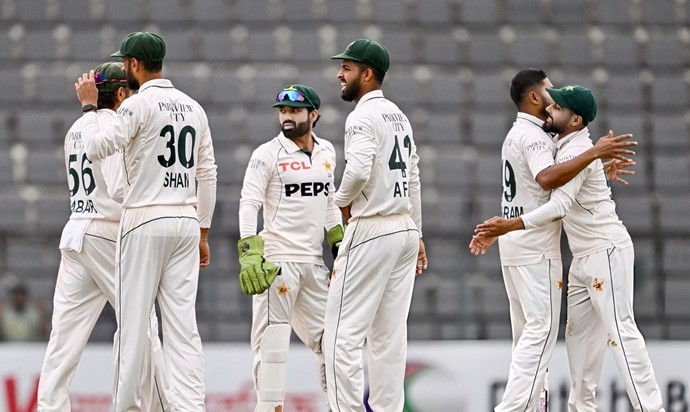
For decades, Pakistan was synonymous with raw, terrifying speed. From the legendary swing of Wasim Akram and the toe-crushing yorkers of Waqar Younis to the record-breaking velocity of Shoaib Akhtar, the nation built its cricketing identity on the foundation of express pace. However, recent performances have left fans and pundits puzzled as the current crop of bowlers often struggles to maintain speeds consistently above 135 kph. As the team grapples with these challenges, former fast bowler and current coach Umar Gul has stepped forward to provide an objective assessment of the situation.
Addressing the Performance Gap
The conversation around Pakistan’s bowling speed has intensified following recent series results. While some critics point to a lack of talent, Umar Gul offers a more nuanced perspective. According to Gul, the perception of a failing attack is influenced by the high quality of opposition batting rather than a complete collapse of individual skill. He notes that the Bangladeshi batting lineup has performed exceptionally well, often frustrating the Pakistan bowlers during crucial phases of the game.
“Bangladeshi batters have batted really well,” Gul explained. “In some moments we were unlucky. We missed chances in reviews and couldn’t get key players like Litton Das out. But that’s part of cricket. Sometimes luck is on your side, sometimes it isn’t. The bowlers tried hard, but the results didn’t go our way.”
The Red-Ball Rhythm Problem
A primary point of contention is whether this drop in pace represents a long-term decline. Gul strongly disagrees with the notion that the talent pool is shrinking. He argues that the issue is specific to the demands of red-ball cricket and the lack of consistent exposure to the longest format.
“We still have bowlers who can bowl 140 kph in PSL and ODI cricket,” Gul asserted. “But in red-ball cricket, the pace drops a bit. We don’t play enough Test cricket these days. Because of that, bowling muscles and bowling memory don’t develop properly. Both mental and physical preparation are important. The bowlers have given everything, they are bowling long spells.”
Scheduling and Physical Demands
Beyond the technical aspect of muscle memory, the practicalities of a modern, congested cricket calendar have played a significant role. Pakistan’s lengthy gaps between Test matches—sometimes spanning over six months—make it difficult for bowlers to maintain the specific endurance required for the five-day format. This lack of continuity, compounded by external environmental factors, has hindered their ability to hit top speed.
“The last time we played red-ball cricket was in October. After more than six months, we came back again. So maybe the pace looks slightly down, but the energy is still there. On top of that, the heat and humidity here also play a role,” Gul noted.
The Need for Better Preparation
Looking ahead, the coaching staff acknowledges that there is significant room for improvement in how the team prepares for tours. Gul admitted that the lack of red-ball match practice prior to high-stakes series is a hurdle that must be overcome. Balancing domestic commitments like the Pakistan Super League (PSL) with international Test preparation remains a complex puzzle for the cricket board to solve.
“Before any series, preparation in that format is important. But because of scheduling, PSL and other commitments, we worked with the players we had in camp. We didn’t get enough match practice after that,” he added. As Pakistan looks to reclaim its status as a premier fast-bowling powerhouse, the focus will likely shift toward more specialized red-ball conditioning and a more structured approach to match practice, ensuring that the bowlers have the physical and mental foundation to unleash their full potential on the international stage once again.