IPL 2026 Final Behind Closed Doors? Energy Crisis Leads to Potential Restrictions

The Shadow of Uncertainty Over IPL 2026
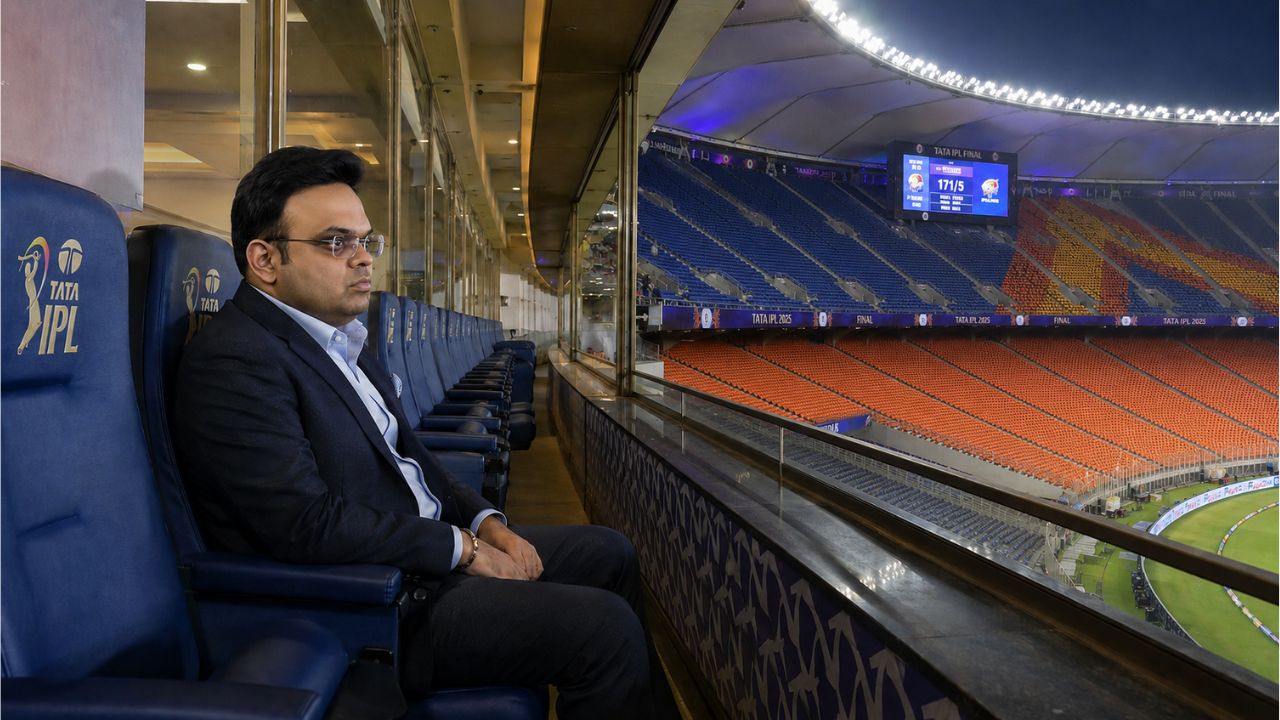
The Indian Premier League (IPL) stands as the crown jewel of Indian domestic sports, drawing millions of fans annually to witness high-octane cricket. However, the 2026 edition finds itself at a critical juncture. With the final scheduled for the iconic Narendra Modi Stadium in Ahmedabad, recent reports suggest that an emerging national energy crisis may force the Board of Control for Cricket in India (BCCI) to rethink its approach, potentially leading to matches played in empty stadiums.

The speculation regarding the playoffs and the grand finale arises from a broader initiative led by the Government of India to address fuel consumption and logistical burdens across the nation. While no official directive has been issued to the BCCI as of yet, the atmosphere surrounding the tournament remains tense.
Official Stance: BCCI and Government Directives
IPL Chairman Arun Dhumal has addressed the circulating reports with a tone of cooperation. In a recent statement, Dhumal clarified that while the league has not received any formal instructions from the government, the BCCI remains fully committed to its responsibilities. “So far, there has not been any communication to the BCCI to my knowledge,” Dhumal stated. He emphasized that the board is accountable to the government and would certainly adhere to any official guidance provided in the interest of national priorities.
The Motivation Behind Potential Restrictions
The push for a revised schedule stems from a public appeal made by Prime Minister Narendra Modi on May 10, 2026. During a rally in Sikandarabad, the Prime Minister highlighted the urgent need for energy conservation, including fuel-saving measures. Consequently, Brijesh Goyal, Chairman of the CTI, urged Sports Minister Mansukh Mandaviya to review the IPL schedule. The concern is rooted in the extensive air and road travel required by teams throughout the season, which began on March 28.
Goyal’s proposal suggests that by limiting matches to fewer venues and hosting them without spectators, the nation could save millions of liters of fuel. This approach draws historical parallels to the measures taken by the BCCI during the COVID-19 pandemic, where tournaments were successfully managed under strict, centralized conditions.
A Look at Global Precedents
The possibility of restricted sporting events due to energy crises is not unprecedented. Pakistan previously faced a similar situation, which forced their national league to be concentrated in only two cities. The Pakistan Super League, under the guidance of the Pakistani government and the national cricket board, saw matches played behind closed doors to mitigate the impact of a severe national fuel shortage. Observers are now questioning whether India might follow a similar trajectory to ensure that the tournament reaches its conclusion without conflicting with the broader national effort to save energy.
What Awaits Fans and Stakeholders?
For the millions of cricket enthusiasts, the prospect of an IPL final in an empty stadium is undoubtedly disappointing. However, the organizers maintain that the priority is to ensure the tournament’s continuity while staying aligned with national interests. If the government determines that energy-saving measures are paramount, the matches would still proceed, with the full broadcast schedule remaining intact for television and digital streaming platforms.
As the tournament nears the decisive playoff phase, all eyes are on the interaction between sports administrators and government policymakers. The BCCI is expected to monitor the situation closely, waiting for any official word before making concrete changes to the schedule. For now, the spirit of the game continues, even as the shadow of a changing national priority looms over the Narendra Modi Stadium.
Conclusion
The situation remains fluid. Whether the 2026 IPL final maintains its grand, spectator-filled spectacle or shifts to a closed-door arrangement, the resilience of the league and its ability to adapt to unforeseen national challenges will once again be put to the test. Fans and stakeholders alike are awaiting further updates as the BCCI continues to balance the excitement of the game with the responsibilities of the nation.